A thoughtfully planned retail store layout serves as a strategic tool that shapes the way customers explore your space and products, and eventually decide to buy. Strategic placement of high-demand items can subtly guide their path, and the natural flow from one section to the next ties the entire experience together.
When the layout promotes easy navigation, shoppers stay longer and are more inclined to discover additional items they might not have considered at first. Clear pathways and logical product groupings allow shoppers to find popular items or promotions easily. This sense of order also minimizes bottlenecks as customers move through the store. Since the in-store journey strongly affects buying decisions, creating an intentional and well-optimized layout becomes essential for driving sales.
Now, let’s explore some practical tips to help you design a store layout that truly stands out.
1. Select the Right Layout for Your Store Type
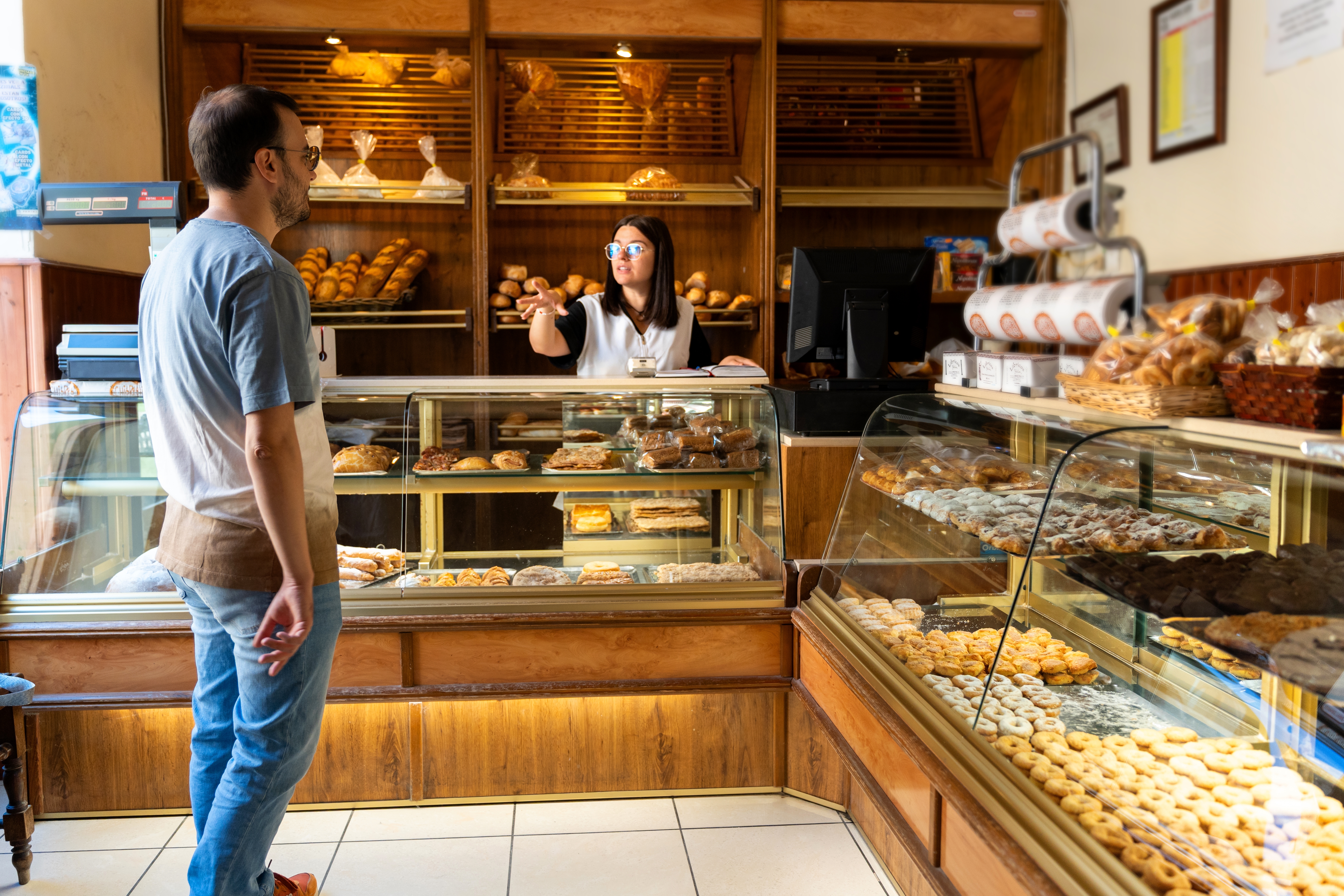
The right store layout shapes the entire shopping experience. A layout that feels intuitive encourages shoppers to explore comfortably and discover more items along the way. That said, it helps to visualize how each option looks inside an actual retail space and choose a layout that best suits your store size and product mix.
For instance, a free-flow layout gives you the freedom to create a relaxed, boutique-like atmosphere. Products are arranged in clusters or sections without strict lines or pathways. Customers can wander naturally, turning in whichever direction captures their curiosity. This layout invites browsing and discovery, making it perfect for stores that emphasize style or curated selections.
Meanwhile, a spine layout combines structure and flexibility. A main aisle that acts as your “spine” runs from the entrance to the back of the store. Then, smaller aisles or clusters of products extend from this central path, somewhat like branches from a tree. This setup works well for medium-sized stores that want to keep shopping straightforward while still showcasing a variety of categories.
2. Optimize How Customers Naturally Move in the Store
Customer flow affects how shoppers interact with your products and determines how easily they can move within your store. A smooth journey begins with subtle pathways that guide customers toward featured items or seasonal displays. Clear and well-positioned signs also help customers understand where to go, reducing confusion and minimizing hesitation. Additionally, signs that highlight payment options play a significant role, as customers tend to feel more at ease when they know exactly where checkout is and what payment methods are available.
A seamless checkout setup strengthens this experience even more. To that end, a modern POS device, such as Maya Terminal, is of big help because it reduces friction and speeds up the checkout process. In addition to being a credit card machine, it can process debit cards, e-wallets, and QR Ph payments. As a portable card terminal, it also empowers staff to assist customers and complete purchases anywhere in the store, whether at the counter, the curbside (for pick-ups), or directly in the aisle. This flexibility improves customer service and prevents long lines that might discourage potential buyers.
3. Make Strategic Product Placement
Where you position your products has a direct influence on what customers notice and eventually buy. Placing high-demand or essential products toward the back of the store encourages shoppers to walk through multiple sections, increasing their exposure to additional items. But if you position high-margin, new, or promotional products at eye level, it ensures that customers encounter them naturally without needing to search further. Complementary items also work especially well when placed together because shoppers immediately see how the products relate.
Seasonal products can further boost engagement when highlighted in prominent areas. Filipino shoppers tend to be event-driven shoppers, so a front-and-center display for Christmas bundles or school-opening essentials captures attention quickly.
4. Use Lighting and Visual Merchandising
Lighting also plays a powerful role in shaping how customers perceive your store. Bright and warm lights create a welcoming atmosphere, while focused lighting draws attention to featured products or special promotions. Displays become more eye-catching when supported by visual cues such as clean arrangements and well-positioned signage. These elements guide the shopper’s gaze and help highlight your best-selling merchandise.
Small stores can maximize visual impact through simple additions like mirrors that widen the space or LED lighting that enhances product visibility while remaining energy-efficient. A strong visual layout communicates professionalism and care, which helps build customer trust and elevates the shopping experience. When products look appealing, shoppers are more likely to browse and buy.
5. Make the Store Comfortable
Comfort significantly influences how long customers stay inside your store, and longer visits often lead to more sales. It starts with sufficient aisle space that prevents congestion and allows customers to browse without feeling rushed. Organized shelves and clutter-free spaces provide a sense of order that shoppers appreciate because it gives them confidence in the store’s quality and service.
Comfort also relates to ambiance. Good ventilation is essential in the Philippines’ warm climate, as shoppers tend to leave quickly if a store feels stuffy. The environment becomes even more inviting when pleasant scents fill the store, such as subtle citrus or fresh linen fragrances that create a welcoming atmosphere. Music further enhances the mood when it matches your target audience. Soft, upbeat tracks encourage relaxed browsing and help customers feel more at ease while they explore your products.
Create Smart Store Layouts That Boost Sales and Lead to Positive Customer Experiences
A smart store layout guides customers naturally through your space, while modern payment solutions, like Maya Terminal enable store staff to assist shoppers and complete transactions quickly. Sign up for Maya Business to take advantage of seamless payment processing that will complement your store layout, helping customers move effortlessly from browsing to checkout.
Setting up a Maya Business account lets you open a Maya Business Deposit account and use it as your settlement account. With an industry-leading 2.5% per annum interest rate, you’ll earn PHP 25,000 in interest per year on a PHP 1 million deposit. Furthermore, you’ll be able to send money to your partners and suppliers for free via InstaPay and PESONet, letting you save more.
Signing up also qualifies you for a no-collateral Maya Flexi Loan offer of up to PHP 2 million in just 3 months, allowing you to have another funding source to further develop your business. Just use Maya as your primary processor for all wallet and card payments. The more you use our solutions, the better the loan offer will be.
Sign up for Maya Business today to enjoy the benefits of Maya Business solutions.