Share


The rise of digital transactions has transformed the way people shop and manage their finances. More Filipinos now enjoy the speed and convenience of cashless payments, whether through credit cards, e-wallets, or QR Ph. They no longer have to make sure to have loose bills to make small purchases on the go, and they now no longer have to carry large amounts of cash to shop for big-ticket items.
However, as digital transactions become more common, it’s also become more important to stay aware of the new risks that come with them. Scammers have adapted to the digitalization of finance just as quickly, finding more creative ways to deceive users through phishing scams, identity theft, and physical theft of payment cards and mobile phones that contain e-wallets. But it’s not just technology that puts you at risk. Sometimes, it’s the small habits or behaviors that make you more susceptible without realizing it. That’s why it’s important to be aware of the signs that you may be at risk.
In this article, we’ll walk you through some of the most telling indicators that could signal potential vulnerability to financial fraud so you can take steps to better protect yourself.
1. You Don’t Monitor Your Credit Card Transactions Closely
One way people become vulnerable to fraud is by not paying enough attention to their credit card usage. Fraudsters often start with small amounts to test if the card is active. If these go unnoticed, they may proceed to larger purchases or cash advances. As such, when you rarely review your statements or check your transaction history, you give fraudsters a chance to exploit your account. That said, make sure to review your credit card transactions regularly. Also, most secure credit cards today offer convenient card controls, so make sure to maximize use of these features. In the case of credit cards from Maya, you can set daily spending limits for different types of credit card transactions on the Maya app. This strategy gives you greater control over how much can be charged to your card, in addition to helping you detect suspicious usage more quickly, ensuring you’re less vulnerable to fraud.
2. You Easily Provide Sensitive Information to Anyone
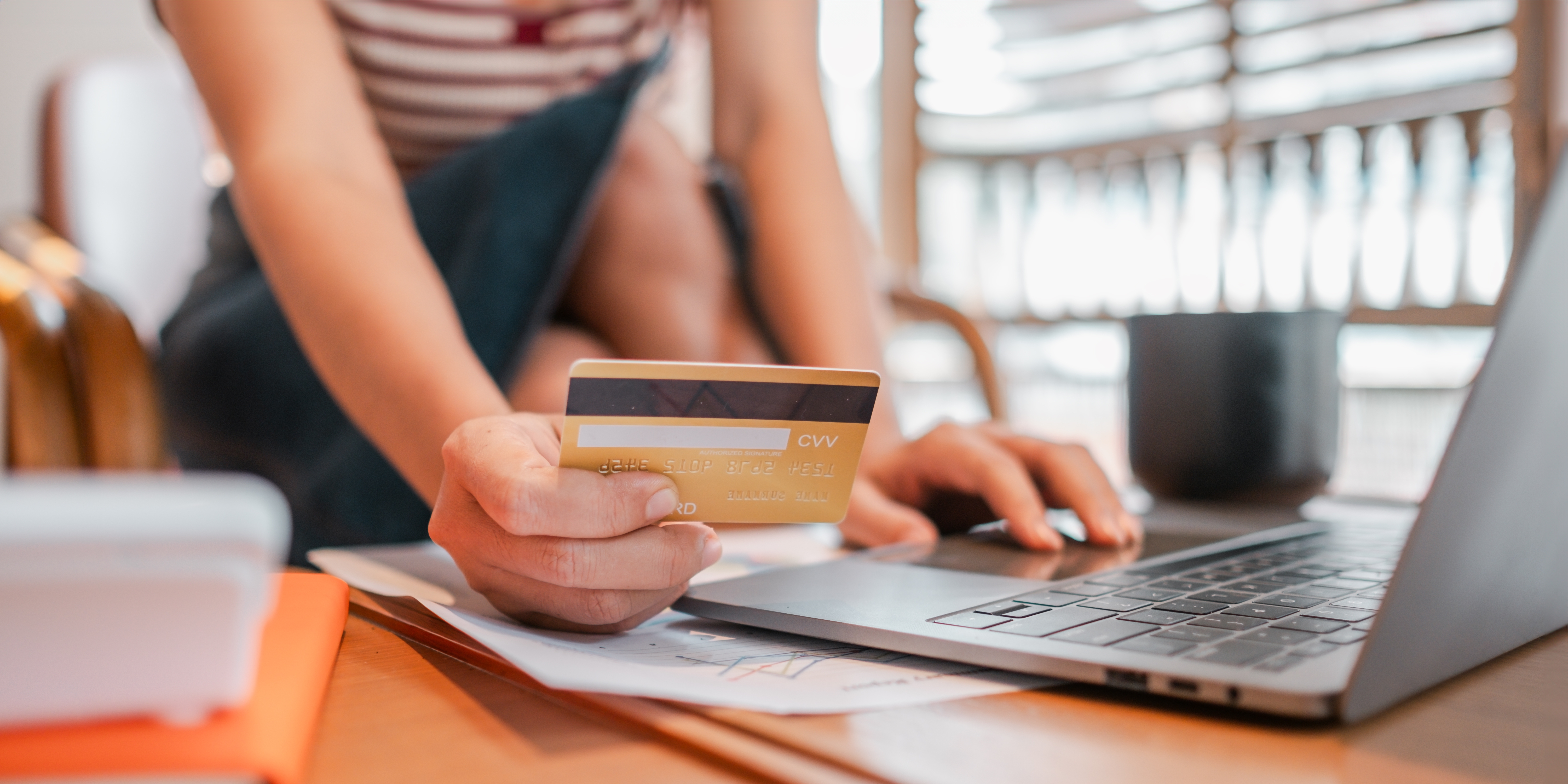
Fraud often begins with social engineering, where scammers pretend to be someone they’re not in order to gain your trust. If you easily give away your personal details, such as your one-time password (OTP), credit card number, CVV, or online banking login credentials, you’re most likely vulnerable to financial fraud. Having said that, it’s important to know that legitimate institutions and issuers of the safest credit cards will never ask for sensitive details through SMS, email, or phone calls. If you ever receive any such request, don’t respond. Instead, independently verify the situation by calling your bank using the contact number on the back of your card or by visiting their official website and obtaining the contact details there.
It’s also important to ensure secure online credit card transactions by using only trusted and legitimate websites. Ensuring that you’re buying or transacting only on intended merchant websites reduces the risk of exposing your card information to cybercriminals. With this in mind, look for security indicators such as a padlock icon in the browser address bar or a URL that starts with “https.” Also make sure that the URL is spelled correctly.
Another way to safeguard your personal details is to use a credit card with a dynamic CVV, like the Landers Cashback Everywhere Credit Card. Unlike a static CVV (the three-digit code at the back of your card that stays the same), this card’s dynamic CVV changes regularly every time you access it using the Maya app. This makes it significantly harder for fraudsters to use your card details even if they’re stolen, as the CVV they captured will quickly become invalid.
3. You Entertain Calls or Messages About Accounts or Prizes You Didn’t Sign Up For
Another sign you could be vulnerable to fraud is being receptive to unsolicited emails, texts, or calls about accounts you don’t remember opening or raffles you never joined. Scammers rely on curiosity or excitement to get you to click suspicious links, download attachments, or share personal information. If you often read or respond to these messages, you may be exposing yourself to phishing scams or identity theft.
A more cautious approach is to ignore or delete them altogether. Instead, verify directly with the bank, service provider, or merchant using their official website or hotline if they indeed have current offers or promotions.
4. You Use Weak or Recycled Passwords across Multiple Accounts
Using simple or repeated passwords is one of the most common but dangerous habits among digital consumers in the Philippines. Many people use their birthdate, the word “password,” the numerical code “12345,” or the same password across different accounts simply because it’s easier to remember. Unfortunately, this also makes it easier for cybercriminals to guess or crack your login credentials.
If one of your accounts is compromised in a data breach, other accounts using the same password may be at risk, too. To protect yourself, use strong and unique passwords for every platform. Also, enable two-factor authentication (2FA) for your bank and e-wallet accounts whenever possible to add another layer of protection, even if your password is stolen. 2FA is built into the Maya app, so this is one thing less to remember if you’re already using Maya.
5. Your Social Media Activity Reveals Sensitive Details
Many Filipinos enjoy sharing their lives on platforms like Facebook, Instagram, and TikTok. While this can be a fun way to connect with friends, oversharing can unintentionally make you an easy target for fraud. For example, posting your birthday, address, or a photo of a new credit card or ID can give scammers key pieces of information they need to impersonate you or bypass security questions.
Scammers can also use what you post online to launch social engineering attacks, such as pretending to be a friend or relative in need of money. Even seemingly harmless details, like your mother’s maiden name or the school you attended, can be used to guess passwords or answer security prompts. Having said that, always think twice before sharing personal information online, and adjust your privacy settings to limit who can see your posts.
As digital payments become more integrated into daily life, staying cautious is now part of being a responsible consumer. Being mindful of how you manage your financial information and respond to unusual activity can make a big difference in avoiding fraud. While you don’t need to be overly anxious, it does help to stay updated on the latest fraud tactics and use tools that give you extra protection. If your bank or card provider offers additional security features, consider enabling them to strengthen your security posture.
You might also like
These Stories on Maya Bank


It’s everything and a bank. What more could you need?
For existing PayMaya users, update your app to Maya