It can be frustrating to watch your bank balance shrink days before your next payday. Groceries cost more than they used to; utility bills fluctuate; transportation, subscriptions, and small daily expenses quietly add up. Even with careful planning, there are months when your salary will simply not stretch as far as you expected.
When that happens, the solution shouldn’t be panic spending or extreme sacrifice. It starts with clarity and small, deliberate adjustments. A few structured changes to how you manage expenses and short-term gaps can restore breathing room without creating long-term stress.
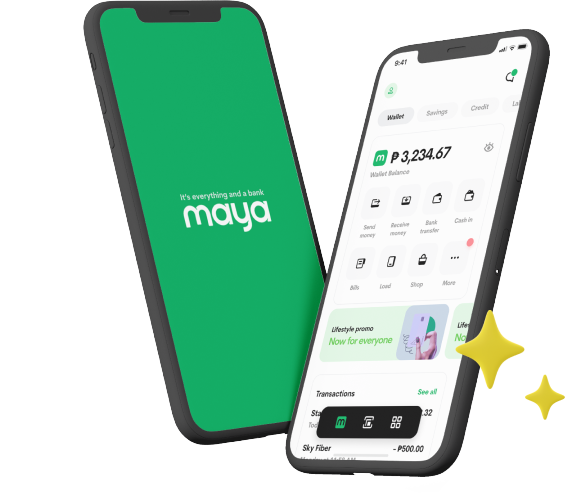
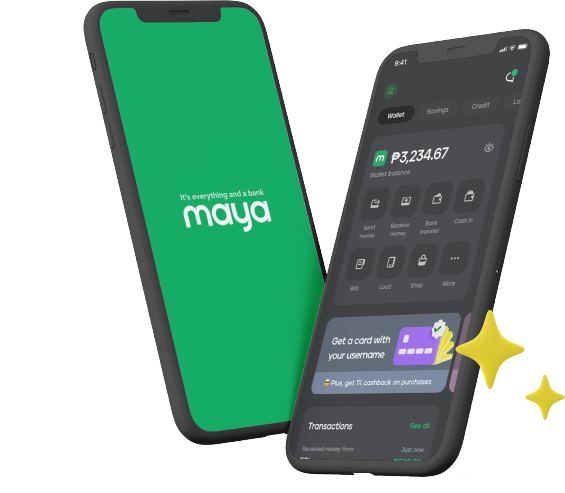
Having access to the right financial tools also makes a difference. Digital banking platforms like Maya aim to help Filipinos manage everyday money more effectively, whether that means tracking spending, making payments, or accessing flexible credit and loan products during temporary cash flow gaps. The key is knowing how and when to use those tools wisely. Let us walk you through some practical steps you can take.
1. Calculate the Exact Gap
It’s difficult to fix a problem that feels vague. Instead of assuming you’re “short this month,” take a few minutes to compute the actual difference between your take-home pay and your total expenses. List your fixed costs first, such as rent, loan payments, utilities, and transportation. Then estimate variable spending like groceries, dining out, and online purchases. Subtract everything from your net income. The number you see may be smaller than you feared or larger than you expected, but either way, it gives you something concrete to solve.
2. Consider a Digital Credit Line for Short-Term Gaps
Not all borrowing tools are built for the same purpose. Credit cards often involve applications that require approval, revolving balances, and accumulating interest if you are unable to pay in full. Larger personal loans are typically structured for bigger expenses and longer repayment periods. And if you’re new to credit, it might be wise to take a break from looking up “the best credit card Philippines for starters,” “credit card with no income requirement Philippines” or “credit card for beginners PH” and consider other alternatives. Credit cards, after all, can be tricky to acquire, especially if you’re just starting out. Banks often require a certain level of credit standing, proof of steady income, or a history of responsible borrowing, criteria that many newcomers to credit may not yet meet.
When you’re new to credit, and your cash flow gap is small and temporary, a virtual credit line can give you more flexibility and control. Maya Easy Credit is designed to cover short-term cash flow needs of up to PHP 50,000, and it is payable up to 30 days. Instead of charging interest, it applies a transparent service fee as low as 3.99%, which also means you’ll know the final cost upfront. Once approved, you can choose how to use the amount. You might have the funds transferred to your Maya Wallet, or you can use them directly when checking out online or scanning to pay with QR Ph at participating merchants.
This type of tool works best for essential, time-sensitive expenses such as utilities, groceries, transportation, or other necessary bills and expenses while you wait for your next paycheck. It’s also easy and intuitive to use right from within the Maya app, which helps if you don’t have time to figure out how to avail credit card. The key is to borrow only what you can repay within the agreed term so it remains a short-term bridge rather than a recurring dependency.
3. Trim What’s Quietly Draining Your Budget
Some expenses demand attention because they’re large. Others slip by unnoticed because they’re small and recurring. Streaming subscriptions, delivery fees, in-app purchases, and convenience markups can quietly consume a meaningful portion of your income. Review your bank or wallet transaction history for the past one to two months with an eye for patterns rather than one-time splurges. Cancel services you rarely use, and switch to lower-cost plans where possible. Small adjustments like these, when applied consistently, can free up enough cash to close part of your gap without drastically changing your lifestyle.
4. Create a Bare-Minimum Budget for Tight Months
Not every month needs to look the same. During tighter periods, it helps to define what your “bare minimum” looks like. This includes housing, basic utilities, essential groceries, transportation, and mandatory loan payments. Everything outside that list becomes optional until your next payday or until your finances stabilize. Framing your spending this way reduces guilt and confusion. You are not depriving yourself indefinitely; you are prioritizing stability for a short period.
5. Adjust Payment Timing and Restructure Where Possible
Sometimes the issue is not the total amount you owe, but when those payments fall within the month. If several bills are due within the same week, your cash flow can feel strained even if your income technically covers everything. Reach out to service providers and ask whether you can adjust due dates closer to payday. Some lenders and utility companies allow minor changes that make a meaningful difference in timing. If you are carrying installment payments, review whether restructuring options are available before you miss a deadline. Address these details early so you can readily avoid penalties and prevent a short-term gap from becoming a longer-term problem.
Financial pressure doesn’t mean you’re failing. It often signals that your system needs adjustment. When you take the time to measure the gap, refine your spending, and use the right tools intentionally, you regain control over how your money works for you. If you are navigating a temporary cash flow shortfall, exploring flexible options like Maya Easy Credit can provide short-term support while you stabilize. Check it out on the Maya app today!