The financial flexibility and convenience brought by a credit card can often make people feel unstoppable. With a credit card, it could feel like the latest gadget, the trendiest outfit, or that dream vacation is just a swipe or tap away. It’s easy to fall for this kind of thinking, especially when you first get your credit card. However, this mindset can quickly lead to serious financial consequences if left unchecked.
Treating a credit card like free money is a surefire way to accumulate bad debt and potentially damage your credit score. By contrast, creating boundaries from the get-go can help you steer clear of these pitfalls while enjoying the benefits a card offers.
Setting a spending limit is one thing, but sticking to it is another. Beyond the credit limit that comes with a card upon approval, many cardholders don’t realize that their card might already have built-in tools that can help them stay within their monthly limits. The Landers Cashback Everywhere Credit Card from Maya, for one, allows you to set limits for different types of credit card transactions, including foreign transactions, online payments, and contactless payments, helping you take charge of your credit card spending. Additionally, the Landers Cashback Everywhere Credit Card gives you up to 5% cashback at Landers, 2% on dining spends, and 1% on all other qualified transactions* so you get more out of each purchase while sticking to your spending limit.
In this article, we’ll look at practical ways to define a credit card spending limit that fits your finances, along with strategies to stick with it month after month.
Base Your Limit on What You Can Truly Afford
Setting a spending limit is not about picking an arbitrary number. Rather, it involves deciding on a realistic amount based on what you can reasonably pay off each month. Review your income and all your fixed expenses: rent, utilities, insurance, loan payments, groceries, and other essentials. Subtract that total from your take-home pay, and what remains is your “discretionary buffer.” This allowance is the pool from which your credit card spending should come.
Beyond accounting for discretionary expenses, it also helps to have a clear understanding of credit card interest rates and other fees associated with card use so you can factor them into your monthly limit. In particular, the Maya credit card interest rate is set at 3% monthly on unpaid amounts on regular credit transactions. Plus, the card comes with no annual fees and no minimum spend required, making the Landers Cashback Everywhere Credit Card among the most competitive options in the market.
Use Real-Time Tracking to Keep Your Spending Visible
One of the biggest reasons people overspend is because they lose track of how much they’ve already used. Many card issuers allow users to monitor credit card activity through their app or website. Use that tool daily to get accurate, real-time insights on your spending.
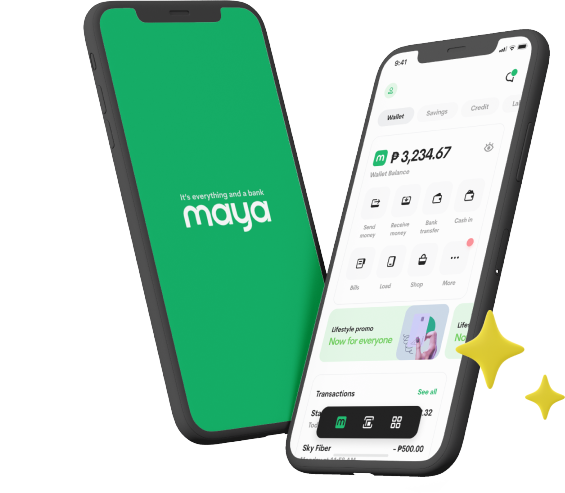
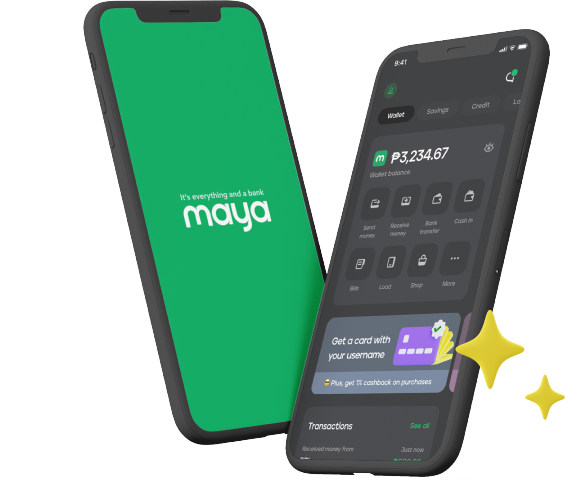
With the Landers Cashback Everywhere Credit Card, you can easily keep track of all activities involving your card, including in-store and online transactions, from the Maya app. This makes it easy for you to check how much of your spending buffer you’ve already used for the month, helping you stay on course.
Align Your Spending Limit with Your Financial Goals
A spending limit will be far easier to follow when it is tied to something meaningful. When you see your monthly limit as part of a larger plan, whether it’s building an emergency fund or saving for a home, the choice to keep your spending in check becomes a step toward something greater.
For example, you might decide to put any unused portion of your buffer (money you didn’t spend on the card) into savings. Or perhaps you can redirect that money to accelerate paying off your highest-interest debt. This way, every month you live under your limit takes you closer to strengthening your financial foundation.
Leave Room for Unexpected Costs
Even the best-laid budgets face surprises. If your credit card limit is right at the edge of what you can pay, an unexpected expense such as a medical bill or an urgent home repair might force you to overshoot or carry a balance. To avoid such a situation, build your limit a bit lower than your full disposable buffer, perhaps 10 to 20 percent below your card limit.
Doing so gives you wiggle room. And if nothing unexpected happens, you get the satisfaction of underspending. Additionally, this practice helps make your limit feel safer and more sustainable over time.
Review Monthly and Adjust as Needed
At the end of every month, take time to evaluate your credit card spending strategy. Compare what you actually spent with your self-imposed limit. Also, identify repeating behaviors or spending patterns. For example, you might find that you consistently spend more mid-month or in one category. Use that insight to adjust your next month’s limit. Moreover, if your finances have changed, update your limit to reflect your current situation
Being a credit cardholder doesn’t mean having unlimited funds at your fingertips. Rather, the real benefit of having a credit card is gaining access to resources when you need them most. When you balance flexibility with prudence, your credit card becomes an ally, providing relief during emergencies while offering rewards that support your overall financial strategy. Thus, as a responsible credit cardholder, you should view your spending limit not as a barrier but as a guiding light leading you to a future of stability.
*Transactions that don’t qualify include: cash in, cash advance, quasi cash purchases, casinos and gambling, fuel, supermarket, pharmaceuticals, utilities, telco, and government.