Even though you’ve set a budget for your everyday needs, there are times when the urge to go slightly over what you’ve planned for the week can creep in. Whether it’s a spontaneous dinner with friends or a small treat to reward yourself, these indulgences may push you to tweak your usual plans to cover the added expense. While there’s no harm in giving in to life’s simple pleasures, it can become a problem when done frequently. Overspending on things you don’t necessarily need can slowly strain your finances and make sticking to your budget more difficult. Luckily, there are several things you can do to curb this habit. Here are some you can easily apply to your daily routine.
- Be Aware of Your Spending Triggers
Certain situations, emotions, or even locations can prompt spending beyond what you planned. For instance, a busy day at work may make you grab a coffee or snack on impulse. Meanwhile, social gatherings can lead to unplanned purchases, especially when friends suggest trying something new. Recognizing these triggers allows you to pause before buying, giving you the power to respond thoughtfully rather than automatically. Simple steps, such as identifying patterns in your spending or noting which scenarios lead to extra expenses, can help you make more deliberate choices.
- Minimize Your Reliance on Credit Cards for Daily Purchases
Credit cards have made paying for goods and services more secure and hassle-free, but it’s exactly these conveniences that can make you more prone to overspending without noticing. Using your card to pay for your daily meals, snacks, and coffee can make these purchases seem less significant. Over time, however, these expenses can quickly add up and make an impact on your finances.
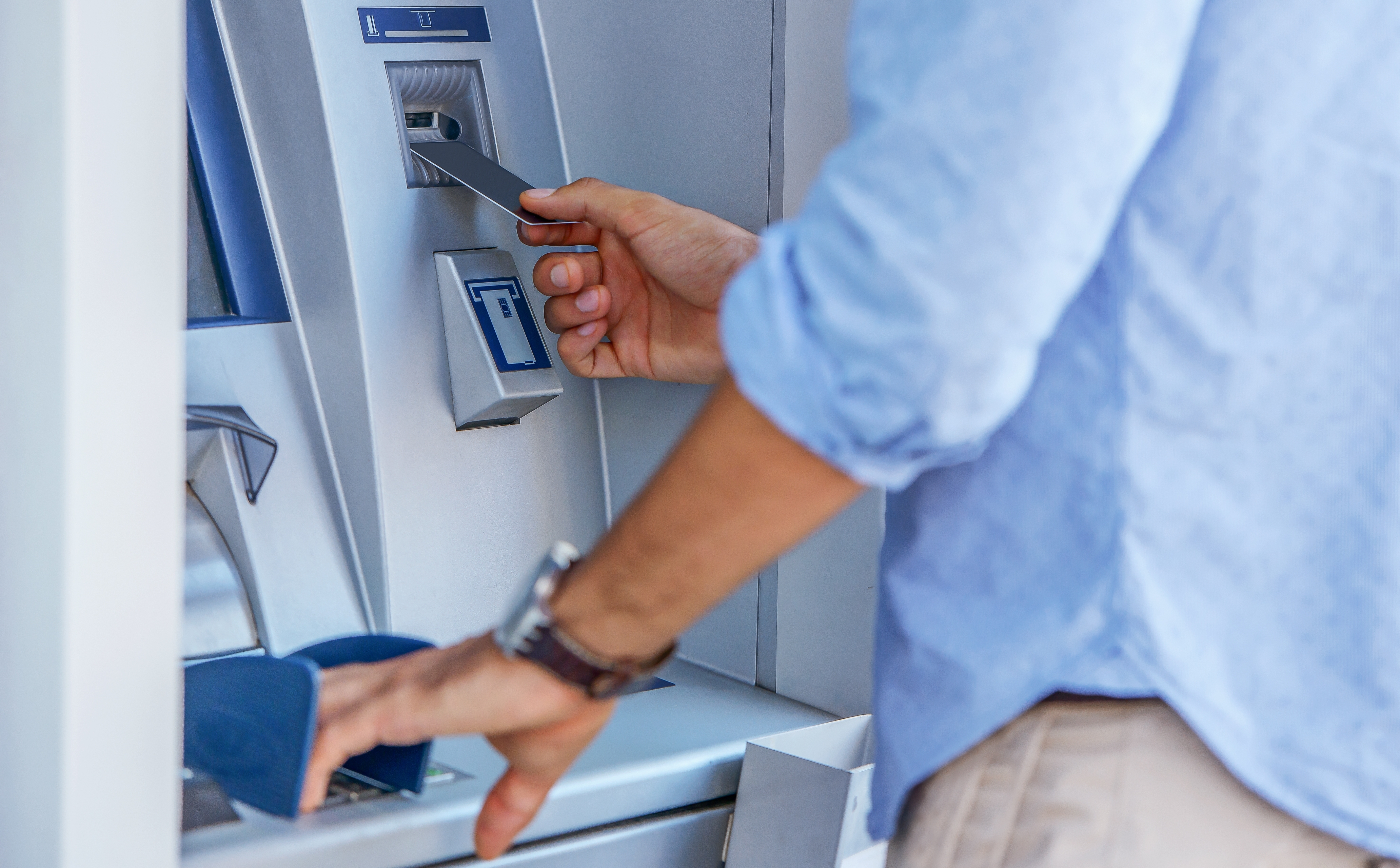
To keep your spending in check, it’s best that you reserve your credit card for major expenses and use cash for routine daily purchases. Physical cash makes each transaction more tangible, helping you stay aware of your spending limits. You can also use a debit card, like the Maya Card, for everyday transactions. This financial tool limits spending to the money you actually have, giving you the convenience of going cashless without the risk of accumulating debt.
- Keep Track of Your Daily Spending
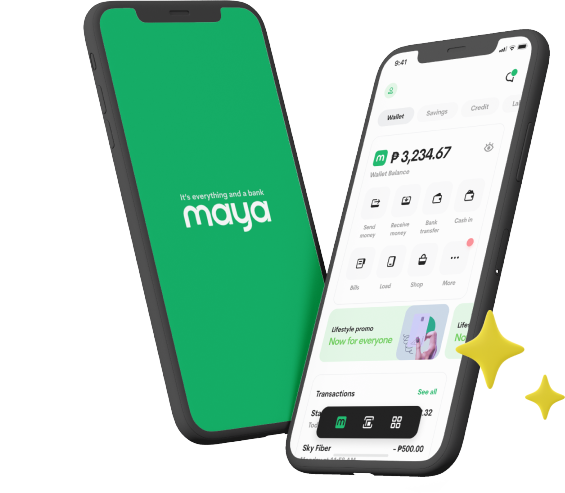
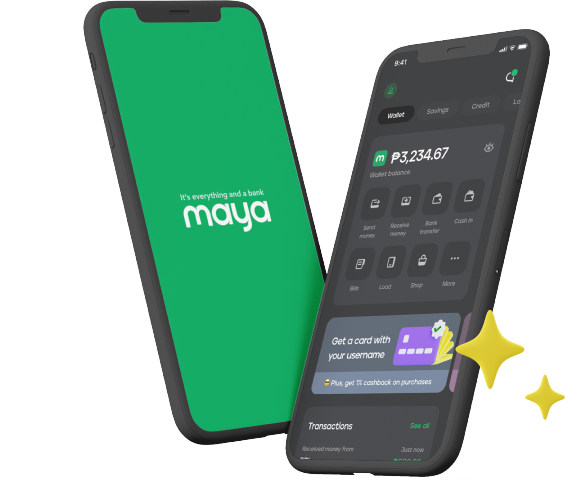
Awareness of where your money goes is key to staying within budget. Maintaining a daily log through a notebook or checking your recent transactions on your banking app helps you spot patterns and identify unnecessary spending. Regularly reviewing your expenditures allows you to adjust habits before overspending becomes a problem. This simple practice builds a clearer picture of your finances and makes it easier to manage your money wisely. Maya Visa and Maya Mastercard holders can check their transaction history and balances through the Maya app.
- Opt for Store-Brand Options
Store-brand or generic products often cost less than name-brand alternatives while providing similar quality. Groceries, household essentials, personal care items, and pharmaceutical products frequently have these options available. Choosing them can help protect your budget without sacrificing the things you need daily. The small savings you earn from routine purchases can quickly accumulate, giving you more flexibility for other priorities.
- Shop with a Goal in Mind
Unplanned shopping often results in buying items you don’t truly need. Without a clear purpose, it’s easy to get influenced by promotions, online ads, or the appeal of trendy products. Defining a goal before heading out or browsing online helps you stay focused on what’s truly necessary. With a clear objective, you can prioritize essential purchases over impulsive ones. To ensure you won’t stray from your budget, make a short, specific list. Every item on this list must serve a practical purpose so you can spend wisely and avoid unnecessary expenses.
- Determine Whether the Item Is a Need or a Want
Not all purchases are truly essential. Even though some items may feel necessary in the moment, they might not contribute to your long-term requirements or financial goals. That’s why it’s important to understand the difference between needs and wants when shopping. Knowing which items are truly necessary prevents you from overspending on things that provide only temporary satisfaction. Before you make a purchase, ask yourself whether the item solves a practical problem or simply satisfies a desire. This short pause can help you determine whether the purchase is aligned with your priorities.
Your financial habits are shaped by the small choices you make every day. Being mindful of how and why you spend helps prevent minor expenses from growing into persistent challenges. Simple adjustments in daily routines can create a sense of control and confidence over your money. Furthermore, using tools that help you limit your spending, like a Maya debit card, makes it easier to enjoy what you need without unnecessary financial strain.
Make the most of your Maya account by getting a Maya Card today. Once activated, this card directly connects to your account, allowing you to manage your expenses with ease. Using the card also contributes toward boosting the interest rate of your Maya Savings account, if you already have one. By consistently using Maya services, such as paying with your Maya Card, using Maya Easy Credit, or buying load and paying bills with your Maya Wallet, you can boost your savings account’s interest rate from the base 3% p.a.* up to 15% p.a.**, helping your savings grow faster while managing your daily expenses. Moreover, as a Bangko Sentral ng Pilipinas-supervised financial institution (BSFI), Maya is committed to providing depositors with a safe banking experience, giving users peace of mind while their savings grow.
*Base interest rate applies to total deposit balance.
**Bonus interest applies to deposit balance of up to ₱100,000.