For many people, money is one of the biggest sources of stress in everyday life. It can be a daily struggle to keep up with the bills and juggle credit card payments, and these can understandably cause financial pressures. Even the lack of sufficient emergency funds can lead to anxiety and weigh heavily on the mind. Looking at these issues is not an easy task, but acknowledging them is the first step in becoming more financially healthy. By recognizing your areas for improvement, you can take practical steps that will help you shift your finances from a source of worry into something that works for you.
Achieving good financial health takes more than a fortnight. Rather, it’s shaped by the small, manageable changes you make over time. Here’s how to get started and what you can begin working on today.
1. Do the Math to Get a Clear Picture of Your Finances
You can’t improve what you don’t fully understand. Make it a point, then, to take stock of your financial situation. This entails looking at how much money comes in each month and where it goes. Include in your calculations your regular expenses, outstanding debts, due bills, and any recurring subscriptions or financial obligations.
Many people avoid this step because it feels intimidating, but facing your numbers directly can actually bring relief. Once you know exactly what you’re dealing with, you can make better decisions going forward.
2. Track Every Peso You Spend
The next step is examining exactly where your money goes. Write down or log every expense for at least one full month. You can use a notebook, a spreadsheet, or a budgeting app; what matters is that you capture all the details. This process helps you identify habits that might be costing more than you think, such as frequent takeout or over-reliance on delivery services. Seeing your spending in black and white makes it easier to adjust and find areas where you can save.
3. Create a Simple Monthly Budget
Once you understand your income and spending, it’s time to build a realistic monthly budget. Start with your needs, like housing, food, transportation, and utilities, and make sure those are covered first. Then, allocate funds for debt repayments, savings, and non-essentials.
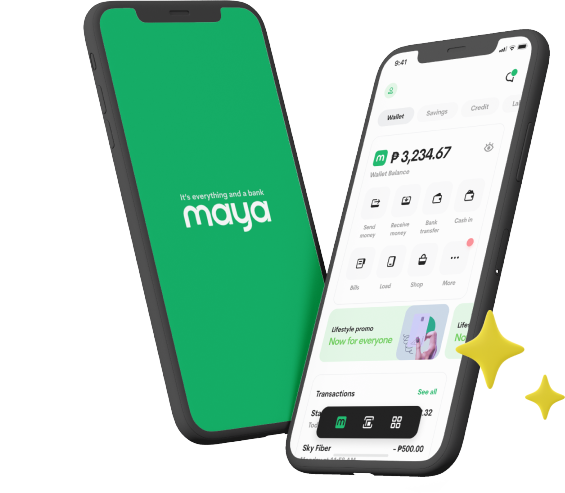
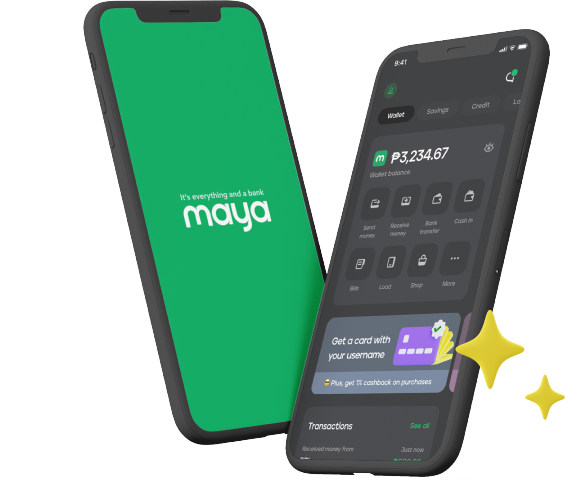
If you have an upcoming Maya credit card payment or loan installment, for example, don’t forget to include these. You can use the Maya app to check transactions that have been completed using Maya credit cards like the Landers Cashback Everywhere Credit Card and the Maya Black Credit Card. Having these details at your fingertips makes it much easier for you to build a realistic budget. This also lets you strategically schedule your Maya credit card payment posting so that you can meet your deadlines while minimizing disruptions to your cash flow.
4. List and Prioritize Your Debts
Debt can become overwhelming if it’s left unmanaged, especially when multiple balances start to stack up. How do you know which ones to pay off first? Start by listing all your debts along with their interest rates, minimum payments, and due dates.
From there, choose a method to begin tackling them. Some prefer the avalanche method, where you pay off high-interest debts first to reduce long-term costs. Others go with the snowball method, starting with the smallest balance to build momentum. Either way, include your credit card payments in this plan and avoid skipping them. This lets you avoid missed payments and the penalties that they typically come with.
5. Cut Back on Non-Essentials for Now
Putting a spending cap on your wants is not about cutting out all enjoyment. It’s more about being mindful of where your money goes and keeping an eye on the expenses that can quietly drain your income. Temporarily dialing back on expenses like subscription services or delivery fees can free up cash, which you can then allocate to pay off debts faster or build savings. This doesn’t mean you can never enjoy these things again; it simply means making small sacrifices today to enjoy greater freedom later.
6. Use Financial Tools or Apps
Financial apps and digital wallets make money management easier, especially when you’re just starting out. Use them to monitor expenses, plan budgets, or pay bills. If you use the Landers Cashback Everywhere Credit Card, you can track your spending directly in the Maya app, making it easier to stay informed and in control of your finances. Plus, you can use the app to see the cashback points you’ve earned from your credit card spending and redeem them at Landers to augment your budget.
7. Be Honest with Yourself and Stay Consistent
The most important step isn’t one you can tick off a list. It’s actually the decision to stick with these changes every day. Improving your financial health takes time, patience, and consistency. You might stumble, and that’s okay. What matters is that you keep coming back to the process and making better choices one day at a time.
Improving your finances doesn’t have to be overwhelming. By starting small, staying consistent, and using tools like Maya credit cards that support your goals, you can shift from feeling controlled by money to being in control of it. Over time, your financial habits will strengthen, and your money will feel less like a source of stress and more like a resource that works for you.