Many Filipinos rely heavily on online banking and e-wallets for everyday transactions, such as paying bills, transferring money, shopping online, and managing credit card accounts. However, the increasing trend towards cashless convenience has also introduced novel risks. Cybercriminals are constantly developing ways to steal personal and financial data through phishing and password-cracking techniques.
Unfortunately, many of these threats succeed not because of sophisticated hacking tools, but because users still rely on weak or reused passwords. A single compromised password can expose your entire digital footprint, including your credit cards and online banking accounts.
That’s why protecting your login credentials has become an essential habit for handling money online. In fact, strong passwords serve as the primary safeguard to ensure secure online credit card transactions and prevent unauthorized access to sensitive information. Keep these rules in mind to safeguard your financial information whenever you go online.
1. Steer Clear of Common, “Guessable” Passwords
Many people still use passwords like “password,” “iloveyou,” or “admin” because they’re easy to remember. But these are also the first ones hackers try. Cybercriminals use dictionary-based attacks that automatically test thousands of common words, making simple passwords straightforward to crack.
To stay safe, avoid predictable terms or phrases, even if they seem personal or clever. Instead, replace letters with numbers or symbols where appropriate, and avoid entire words altogether. If you use “sunshine,” for example, you can use something like “$uN5h!n3X” instead.
2. Make It Long and Complex
Aside from including symbols, a strong password should also be lengthy and unpredictable. The longer your password is, the harder it is to break. Experts recommend at least 12 to 16 characters that combine uppercase and lowercase letters, numbers, and special symbols. For example, “C@t2025” is weaker than “C@t!nTh3Blu3R@!n2025.” Long and complex passwords provide stronger protection for sensitive data like your e-wallet and credit card details, helping ensure the most secure credit card experience possible.
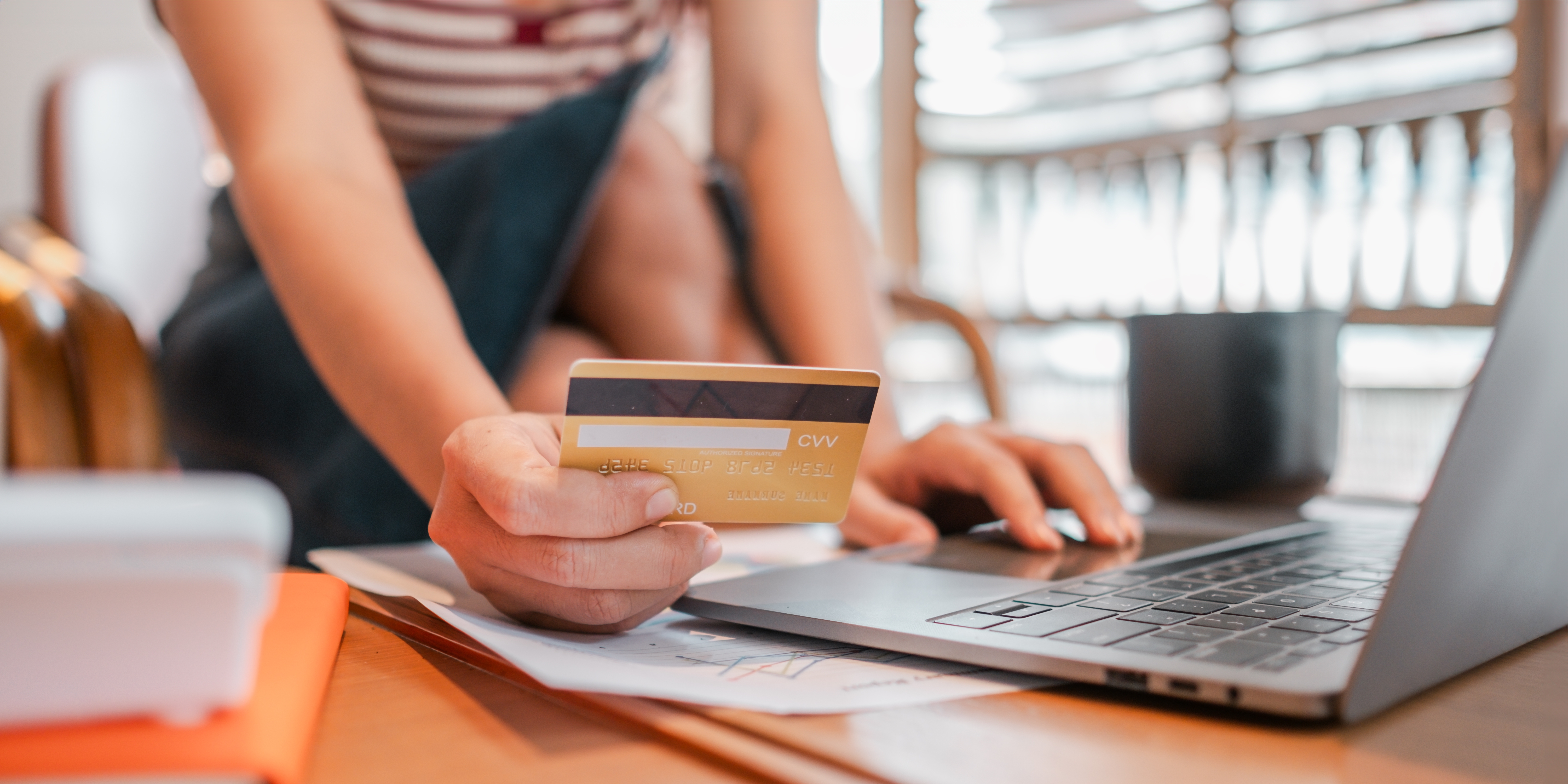
Similarly, cardholders should also consider advanced security features like dynamic CVV technology when choosing a credit card. Traditional credit cards use a static CVV, or the three-digit code at the back, which stays the same and can be stolen if your card details are exposed online. In contrast, dynamic CVV technology generates a new code every 24 hours, making it much harder for fraudsters to use stolen card information for unauthorized purchases.
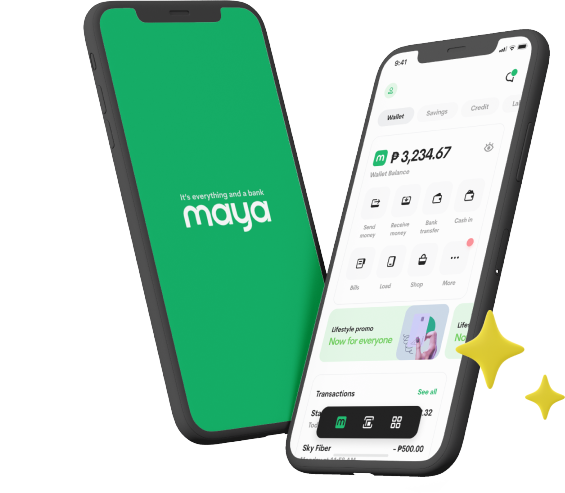
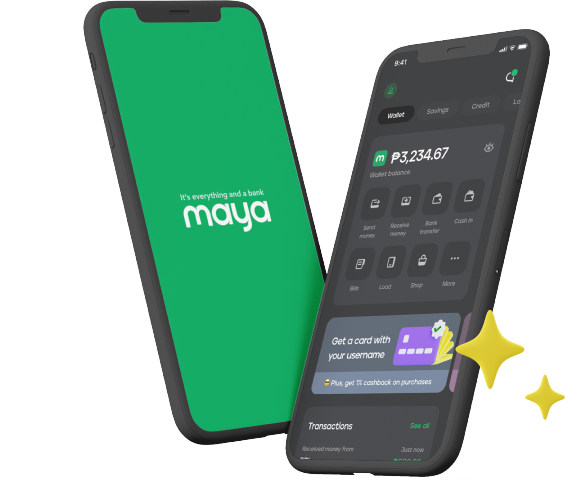
The Landers Cashback Everywhere Credit Card by Maya, for instance, offers this feature, giving you greater peace of mind during your online shopping sessions. To view your dynamic CVV, simply tap the card icon on your credit card dashboard in the Maya app. When combined with strong passwords, this technology adds an extra layer of protection for secure online credit card transactions.
3. Keep Personal Details Out of Your Password
While using personal information as your password might seem practical, it actually makes you more vulnerable. Details like birthdays, pet names, or hometowns are easy to find through social media or public records. Hackers can piece together these clues to guess your password. So, avoid anything tied to your identity, even if you think it’s obscure. Instead, focus on combinations that mean nothing to anyone but you. For instance, skip “Manila1989” and go for something like “Tr33h0us3Sk!p.”
4. Mix It Up with Random and Unique Combinations
Randomness is your best friend in password creation. Avoid sequences like “abcd1234” or “qwerty,” as these are among the first combinations hackers try. Instead, use random strings of characters that have no clear pattern, or rely on a reputable password generator for help. These tools can create unique combinations that even you might not think of.
5. Try the Passphrase Method
If random strings are too hard to remember, try using a passphrase, a short sentence, or a group of unrelated words that are easy for you but hard for others to guess. For example, “CoffeeRiver2025Sunset!” is strong yet memorable. Passphrases strike a balance between simplicity and security, enabling you to create long, unique passwords without resorting to gibberish.
6. Give Every Account Its Own Password
It’s tempting to reuse a password for multiple websites, especially if you have dozens of accounts. The problem with this is that if one gets hacked, the rest could follow. That said, treat each platform tied to your finances as a separate vault with its own unique key.
If keeping track of multiple passwords feels overwhelming, consider using a password manager that encrypts your data and keeps it protected. These tools make it easier to manage multiple accounts without risking a data breach.
7. Update Your Passwords Regularly
Even strong passwords need to be regularly updated. When you change your passwords every few months, it reduces the chances of long-term exposure if one of your accounts is compromised. So, make it a habit to refresh your credentials for online banking and digital wallets, particularly after you receive alerts about potential breaches.
In the same way, you should act quickly if you suspect your financial account’s security has been compromised. Notify your bank or credit card issuer right away to prevent unauthorized access. In case of a lost Maya credit card, block your card immediately and request a replacement through the Maya App. This cancels your lost card, and any future transactions using it will automatically be declined. Take note that standard card replacement fees apply.
8. Keep Passwords to Yourself
Finally, never share your password with anyone, not even with someone claiming to be from your bank. Legitimate institutions will never ask for your password, so keeping it private is one of the simplest yet most powerful ways to protect your financial information.
Strong Habits, Safer Finances
Digital convenience must always go hand in hand with security, especially as more financial activities move online. This includes protecting your passwords, whether you use online banking, e-wallets, credit cards, or investment platforms. Moreover, embrace smarter password habits to manage your money online better and keep your financial information more secure.