With the availability of credit cards that offer convenience and generous rewards, such as the Landers Cashback Everywhere Credit Card, it's easy to see why Filipino shoppers increasingly prefer card and cashless transactions. In response, more businesses are adopting credit card payments to stay competitive and meet evolving customer preferences. Doing this not only attracts more buyers but also improves their cash flow and reduces risks associated with handling cash. Additionally, embracing this shift allows businesses to stay relevant and position themselves for long-term growth.
One challenge to this adoption, however, is maintaining security. After all, ensuring secure online credit card transactions goes both ways, with customers and business owners alike being responsible for keeping sensitive information safe. Even if customers use the most secure credit card, fraud and data breaches still remain significant risks if they and the businesses they patronize don’t abide by security best practices.
To help mitigate these risks, we've compiled several tips to assist business owners like you in maintaining secure credit card payments.
1. Use a Secure Payment Gateway for Your E-Commerce Site
Using a secure payment gateway is essential to protecting your customers' sensitive payment information. Such a solution encrypts credit card details during payments, preventing hackers from intercepting the data while it’s being processed. This is particularly important for businesses handling online payments, where a breach could expose sensitive customer data of multiple people.
By offering the safest credit card payment platforms, you build trust with your customers and assure them that their data is secure during the transaction. You also enhance your business's reputation by demonstrating a commitment to customer privacy and security.
2. Keep Your Payment Software Solutions Up to Date
Regularly updating any payment software you might be using is another vital step in maintaining credit card security. Software developers for payment systems frequently release updates and patches to address new vulnerabilities that could be exploited by cybercriminals. Hence, by being proactive at updating your payment software, no matter if it’s associated with your payment terminal machines or the payment gateway you’re using for your website, you can protect your business and customers from both old and emerging cyber threats.
3. Connect to Secure Networks
If your business uses Wi-Fi for processing payments, make sure your network is secure. A weak or unsecured Wi-Fi connection makes it easy for hackers to intercept data, including credit card information. Securing your Wi-Fi with strong encryption is a simple way to keep hackers from accessing your internal systems. You may also consider setting up separate networks for customers and employees to help prevent cross-network access, further protecting sensitive payment information.
4. Work with Trusted Payment Processors
When choosing a payment processor, ensure that you partner with a reputable provider that follows strict security standards. Choose a trusted processor that complies with Payment Card Industry Data Security Standard (PCI-DSS) regulations. Working with a secure payment processor gives you peace of mind that your transactions are processed securely and reliably.
5. Regularly Monitor Transaction Records for Suspicious Activity
Make it a habit to monitor your transaction records so that you can detect fraudulent or suspicious activity early on, such as duplicate transactions or suspicious chargebacks. The quicker you can identify a problem, the sooner you can take action to resolve it.
Setting up transaction alerts on your payment system or merchant account and frequently reviewing reports ensures that you can act quickly if something seems off. By proactively monitoring for irregularities, you can then protect your business and customers from potential fraud or data breaches.
6. Train Employees on Identifying and Preventing Fraud
Your employees play a crucial role in protecting your business from credit card fraud. Training them to recognize signs of fraud, such as unusual transaction patterns or discrepancies in payment details, is essential in preventing financial losses. It's equally important to educate them on securely handling credit card data to prevent accidental exposure of sensitive customer information.
By educating your staff on credit card security best practices, they can more effectively protect both your business and your customers from common fraud schemes, which ensures a safer payment environment for everyone.
7. Limit Access to Payment Systems
Not everyone in your business needs access to payment processing systems. By limiting access to only authorized personnel, you minimize the risk of internal fraud or accidental exposure of sensitive information, such as credit card details. This approach reduces human error and ensures that only those who need to handle payment information can do so. Limiting access also helps maintain security and prevents unauthorized individuals from tampering with customer payment data.
8. Educate Customers on Secure Credit Card Practices
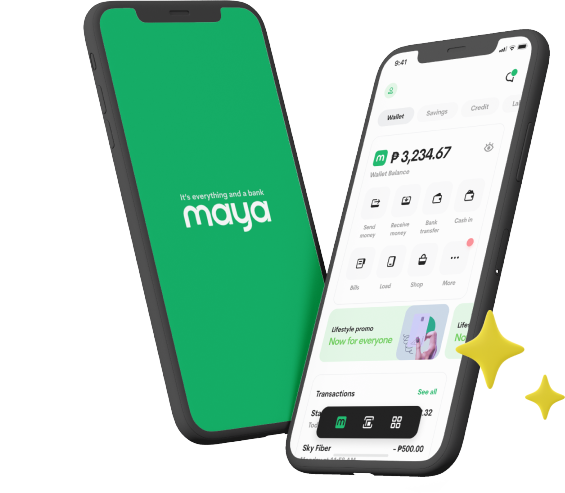
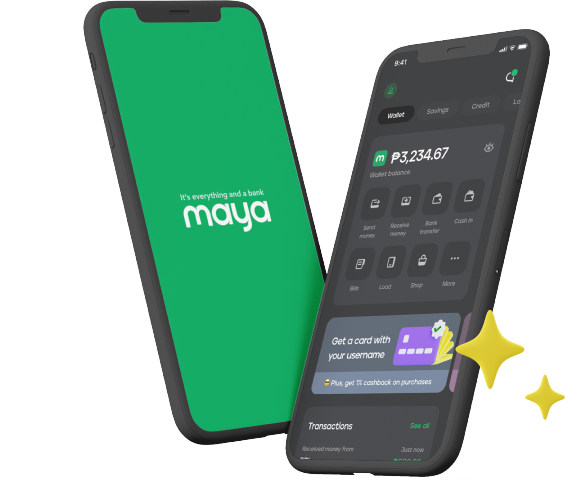
Educating your customers on how to secure their own credit card information is also incredibly helpful in creating a secure payment environment. Encourage them to use credit cards that offer added protection, such as those with dynamic CVVs, like Maya’s Landers Cashback Everywhere Credit Card, for safer online purchases. The dynamic CVV of this Maya credit card is only valid for 24 hours, and a new one is generated every time the user checks their card details in the Maya app. This makes it much harder for fraudsters to use stolen card information.
Additionally, consider adding reminders in your webstore about the importance of card security. Even a simple message reminding customers to ensure they're connected to a secure network while completing an online purchase can significantly enhance their awareness and safety.
As the digital landscape continues to evolve, ensuring the security of credit card payments is no longer just an option but a necessity. By implementing the best practices outlined above, you can safeguard sensitive information and create a more secure environment for both your business and customers. In doing so, you not only protect valuable data but also build a foundation of trust that strengthens customer loyalty.