Consumers today have more choices than ever when it comes to buying the things they want and need. Thanks to e-commerce platforms and online marketplaces, Filipinos can easily compare both brand-new and secondhand options before making a purchase. However, this convenience also introduces another layer of decision-making: should you buy new, or is it smarter to go for used?
Ultimately, the choice involves more than just looking at the price tag. It also requires weighing long-term value, potential hidden costs, and the perks tied to each option. To make the decision clearer, here are some practical tips to guide you when choosing between new and secondhand purchases.
1. Compare Upfront Price with Long-Term Maintenance Costs
Price is often the first factor buyers look at, but the real expense goes beyond the initial payment. Buying new means higher upfront costs, yet it usually translates to fewer maintenance worries in the early years. Indeed, used items may be easier on the budget at first, but could require repairs, replacements, or upgrades much sooner. For example, a secondhand car may cost far less than a new model, but expenses like brake replacements, engine tune-ups, and tire changes can quickly add up.
2. Factor in Credit Card Benefits and Promos
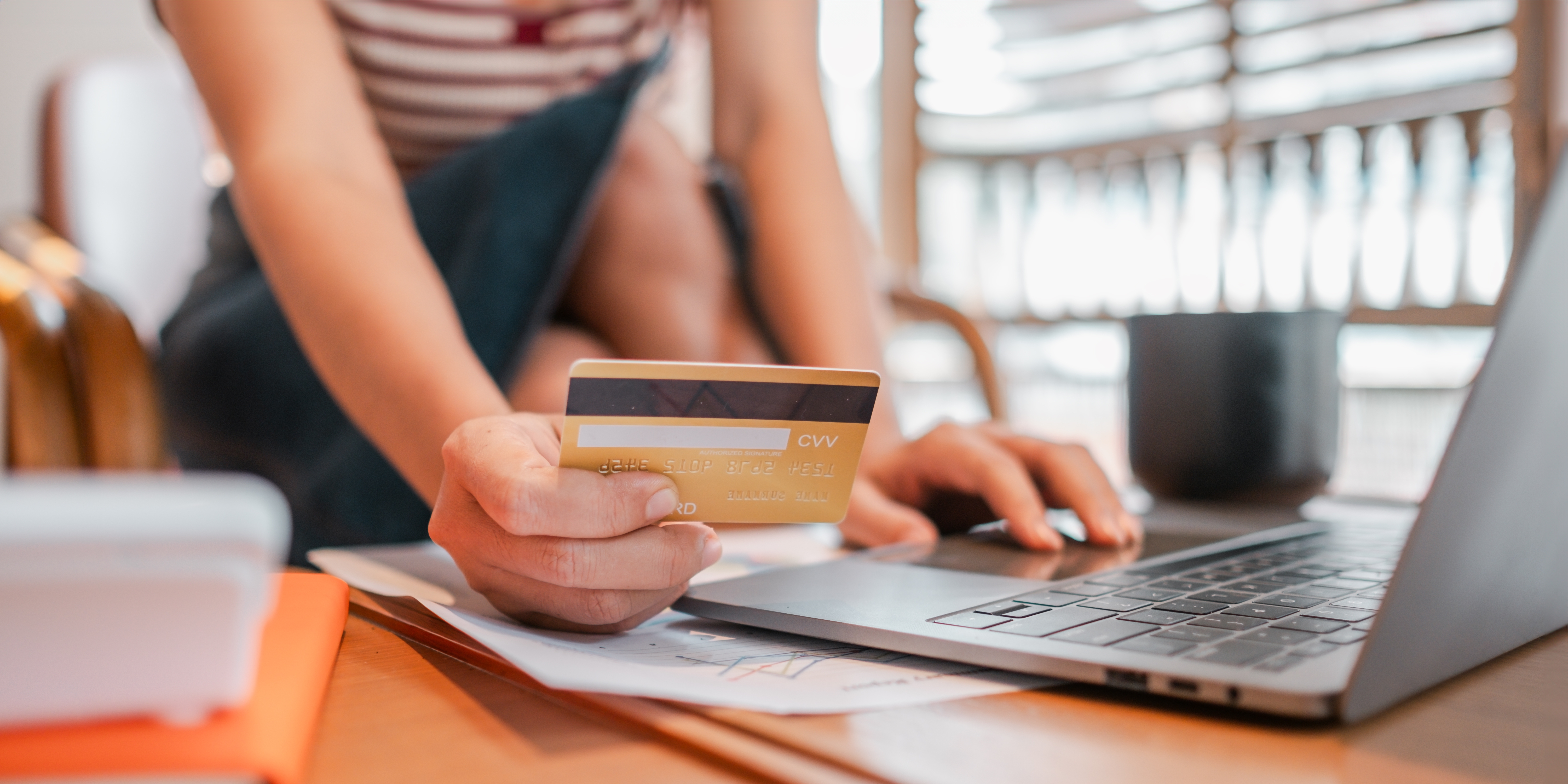
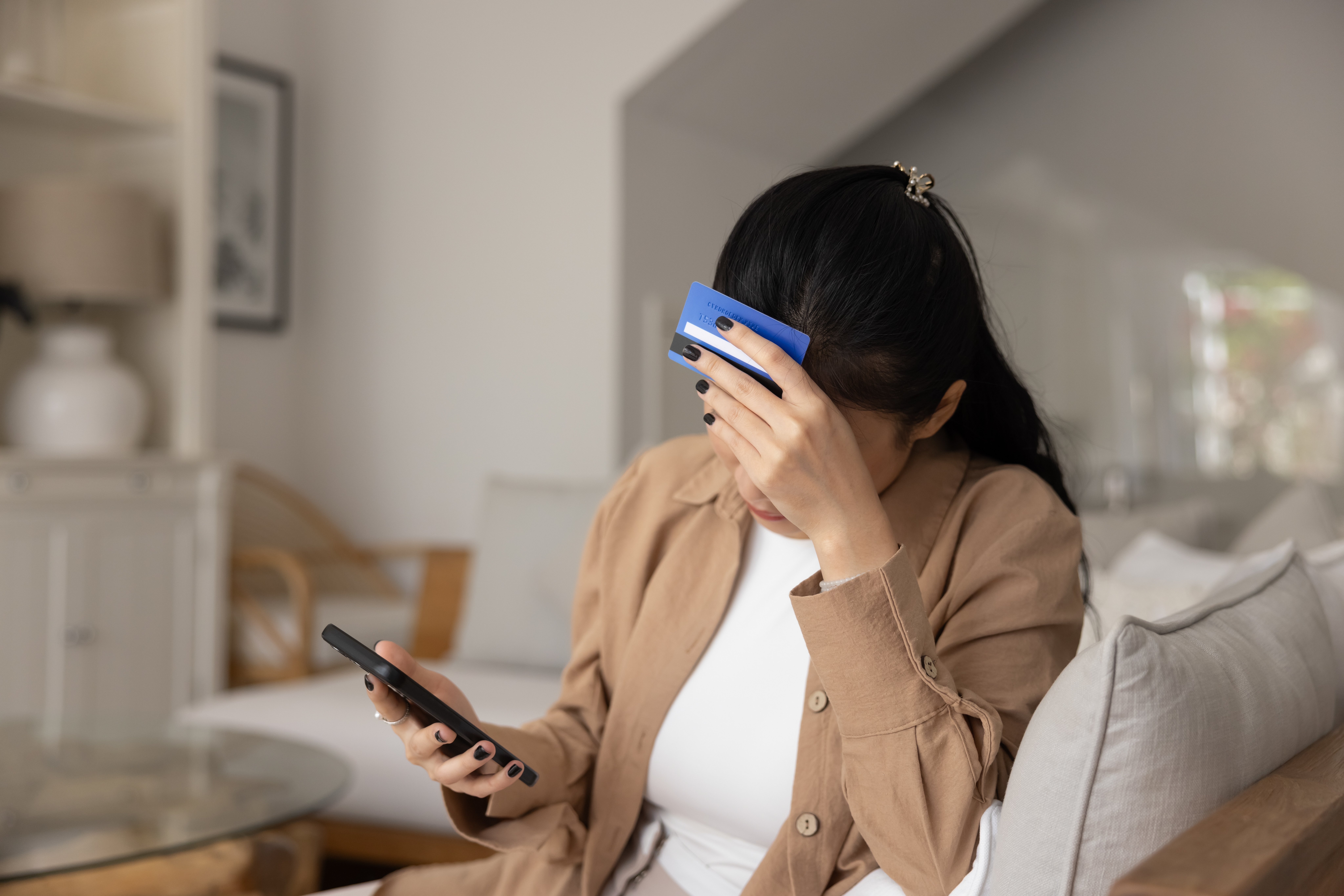
Apart from upfront and maintenance costs, consider the financial perks available when buying new. Purchasing from established merchants often allows you to use credit cards, which can come with Maya credit card promos, cashback rewards, discounts, or even freebies. These benefits can stretch your peso further, but they are usually unavailable when buying secondhand from private sellers.
One example of such a card is the Landers Cashback Everywhere Credit Card, which gives you up to 5% cashback at Landers, 2% on dining spends, and 1% on all other qualified transactions.* To unlock the 5% cashback rate, all you need to do is accumulate PHP 50,000 worth of total spending on your card for the month—that’s not just spending at Landers, but anywhere you pay using your credit card. Each point is equivalent to PHP 1, and you can use your accumulated points as a discount on your next purchase at Landers.
3. Check Reviews and Feedback Before Big-Ticket Purchases
Before committing to a major purchase, it pays to do your research. Reading product reviews and checking seller feedback can help you avoid costly mistakes, like buying a product that is widely known to exhibit issues after a few years of use, or purchasing items from a seller of secondhand items that is known to offer substandard used products. Knowing these ahead of time allows you to decide whether you’re willing to live with those trade-offs or if it’s better to consider another option, like buying new.
Many Filipinos rely on online forums or e-commerce reviews to learn about seller reliability and product performance, making the review checking process an important step, whether you’re buying brand-new or pre-owned.
4. Always Inspect Pre-Owned Items Thoroughly
Once you’ve done your research, the next step is to check the item in person. For secondhand goods, examine the overall condition and test their functionality. For gadgets, in particular, consider the battery health, screen quality, and accessories available. For electronic appliances, make sure they run smoothly without unusual noises or overheating. For mechanical objects like bicycles or watches, check all stationary and moving parts for wear and proper function. It also helps to ask about the item’s usage history and bring someone knowledgeable with you if you’re not confident inspecting it yourself.
Even with new purchases, it’s a good practice to inspect the product before leaving the store. Check for physical damage, missing parts, or factory defects so you can request a replacement right away if needed. A quick inspection ensures you don’t run into problems later once you’ve brought the item home.
5. Weigh Warranty and After-Sales Support
Beyond reviews, another key factor is the protection you get after the purchase. New products almost always come with official warranty coverage, giving you peace of mind if issues arise. Used items may not have this safety net, leaving you responsible for repairs.
However, some trusted resellers in the Philippines provide added reassurance. For instance, slightly used items—like appliances or gadgets only a few months old—may still be covered by the manufacturer’s warranty or may be protected by reseller's guarantee. In the case of items still covered by the original manufacturer’s warranty, resellers may pass on the original receipt so you can still claim warranty services. Asking about this detail can make buying secondhand less risky and more worthwhile.
6. Keep Future Resale in Mind
Another practical consideration is resale potential. Some items, like cars, motorcycles, branded gadgets, watches, and luxury bags, hold value better when bought new. Others depreciate quickly, which makes buying them used a smarter choice if you don’t plan to keep them long. Factoring in resale value helps you recover some of your spending should you decide to upgrade later on.
7. Balance Lifestyle Needs and Budget
At the end of the day, your lifestyle and budget should guide your decision. A student may find a pre-owned laptop sufficient for schoolwork, while a professional relying on high performance might benefit from buying new. Matching your purchase to your actual needs ensures that you don’t overspend while still getting the best value for your money.
Being a smart shopper in the Philippines isn’t about always buying new or always settling for used. It’s about knowing which choice fits your situation best. With these tips, you can confidently weigh your options and make purchases that deliver true value for you.
*Transactions that don’t qualify include: cash in, cash advance, quasi cash purchases, casinos and gambling, fuel, supermarket, pharmaceuticals, utilities, telco, and government.