Share


Investing can be a powerful way to grow your money and build a more secure future. With the potential for consistent returns, investments can help you steadily reach important financial goals, whether it’s growing your wealth, securing retirement, or funding your child’s education.
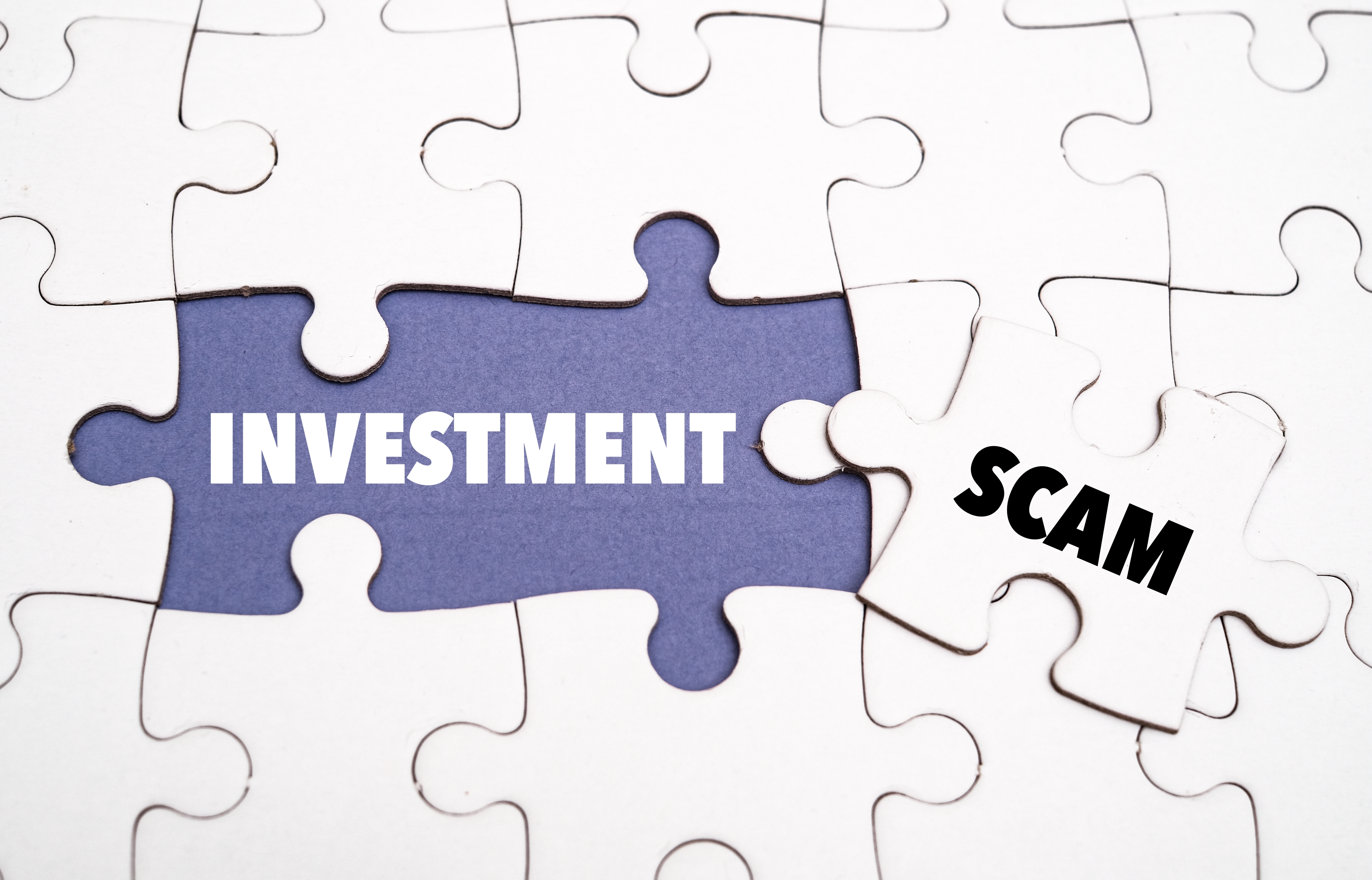
That said, not all investment opportunities are legitimate. Some are designed by scammers who prey on people’s trust, inexperience, or desire for quick profits. Falling for these schemes can derail your financial plans and put your hard-earned savings at risk. The good news is that there are ways to protect yourself.
This article will guide you on how to spot potential scams and keep your money safe so you can invest with confidence and peace of mind.
Familiarize Yourself with the Red Flags of Investment Scams
Although investment schemes may seem credible at first glance, there are signs that reveal they’re not as legitimate as they appear. Scammers use a variety of tactics that prey on trust and emotion, and spotting them quickly prevents you from falling into costly traps.
A typical warning sign of an investment scam is the presence of too-good-to-be-true offers. These are promotions that promise higher returns compared to common market rates, creating a false sense of opportunity that encourages quick decisions. Another red flag is the use of official-looking materials that cannot clearly explain how profits are generated. Additionally, missing key documents, such as registration or disclosure statements, is a strong indicator that the investment may not be legitimate. These inconsistencies suggest that the investment may not be genuine and should prompt you to reconsider before committing any money. Becoming familiar with these warning signs not only sharpens your judgment but also helps you act with confidence.
Verify the Investment Offer
Another effective strategy is to verify the offer before engaging in any investment. Thorough research helps confirm the regulatory legitimacy of an investment, reducing your risk of falling for scams. A great way to do this is to see if the firm managing the investment is registered with financial authorities. This ensures that the company is legally recognized and subject to oversight.
For instance, banks that offer investment products must be licensed by either the Bangko Sentral ng Pilipinas (BSP) or the Securities and Exchange Commission (SEC). Financial institutions that operate under the supervision of BSP and SEC follow strict guidelines for security, transparency, and reporting. These regulations and monitoring processes ensure that client funds are managed responsibly and protected from fraudulent activity.
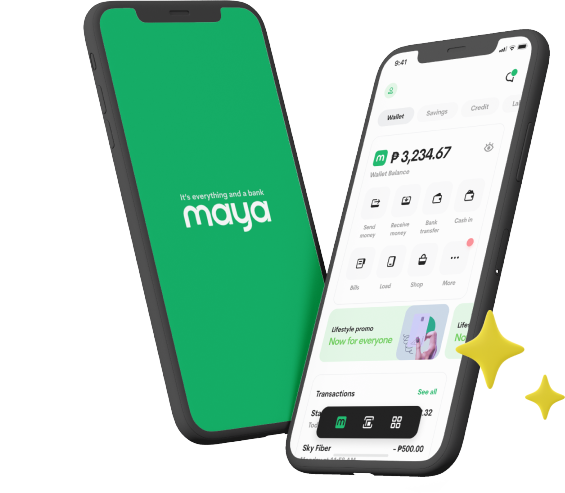
One example of a BSP-regulated financial institution is Maya. As one of the six BSP-licensed digital banks in the Philippines, Maya provides clear documentation and regular reporting for its investment products. Thus, if you’ve ever asked yourself, “Is Maya legit and safe for savings and investments?” the answer is yes. With the bank’s commitment to compliance and transparency, you can rest assured that your funds are directed toward legitimate opportunities.
Consult a Certified Financial Advisor Before Investing
For an added layer of protection, consider consulting a certified advisor before making any investment commitments. Their expertise can be invaluable when evaluating potential investments as they’re trained to assess risk, analyze market trends, and verify the legitimacy of offers. They can also review investment proposals and explain potential risks, giving you a clear understanding of what to expect and how your money will be managed. Moreover, they can provide an unbiased perspective that’s not influenced by the pressure of sales tactics, helping you make decisions based on facts rather than persuasion.
Take Immediate Action If You Suspect You’ve Fallen into a Scam
If you suspect that you have been targeted by a fraudulent investment scheme, taking swift action is critical. Acting quickly can help you limit potential financial losses and improve the chances of recovering your funds.
The first step is to gather all relevant information, such as communications, contracts, receipts, and transaction records related to the investment. Next, contact your bank or financial institution to report the incident and seek guidance on any steps they can take to assist in recovery. It is also essential to notify the appropriate regulatory authorities, such as the BSP and SEC. Reporting the scheme helps law enforcement track fraudulent operators and may contribute to recovering lost funds or preventing others from falling victim.
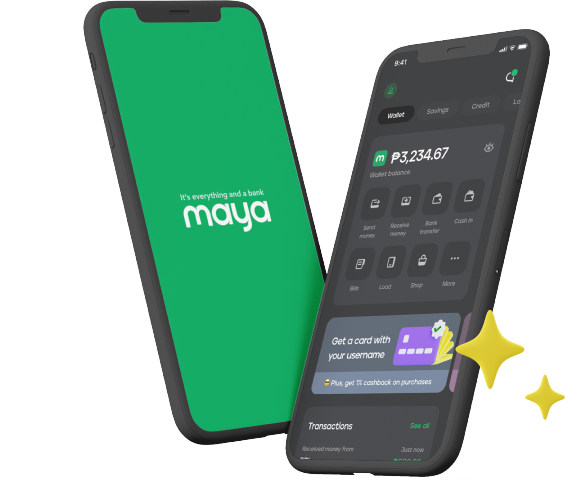
If your bank’s app offers security features, make use of them as well. For those asking, “Is Maya safe?,” the bank provides several built-in tools that enhance account security and reduce exposure to fraud. For Maya, security is paramount, which means it has a limits and controls feature that lets you set spending limits on various transactions, such as bank transfers. Importantly, you can use these tools to halt automated or scheduled payments to an investment if you suspect it may be a scam. Maximizing these protections helps prevent further losses and gives you greater control over your funds.
While investments provide a valuable way to build your wealth, you need to make sure that you’re choosing a legitimate one. A genuine investment not only supports steady growth but also protects your funds, ensuring your money is handled responsibly. With the help of these tips, you can invest your hard-earned savings in the right opportunities, allowing you to pursue your financial goals with greater assurance.
It’s everything and a bank. What more could you need?
For existing PayMaya users, update your app to Maya