Share


SMS and emails have revolutionized the way the world communicates. They’ve made it possible to share information across vast distances instantly and at virtually no cost. Due to the speed and convenience these channels provide, businesses have incorporated them into their operations so that they can reach their customers more efficiently. Banks, for instance, routinely send alerts and transaction notifications to their users’ emails or mobile phones, allowing them to provide their customers with timely updates.
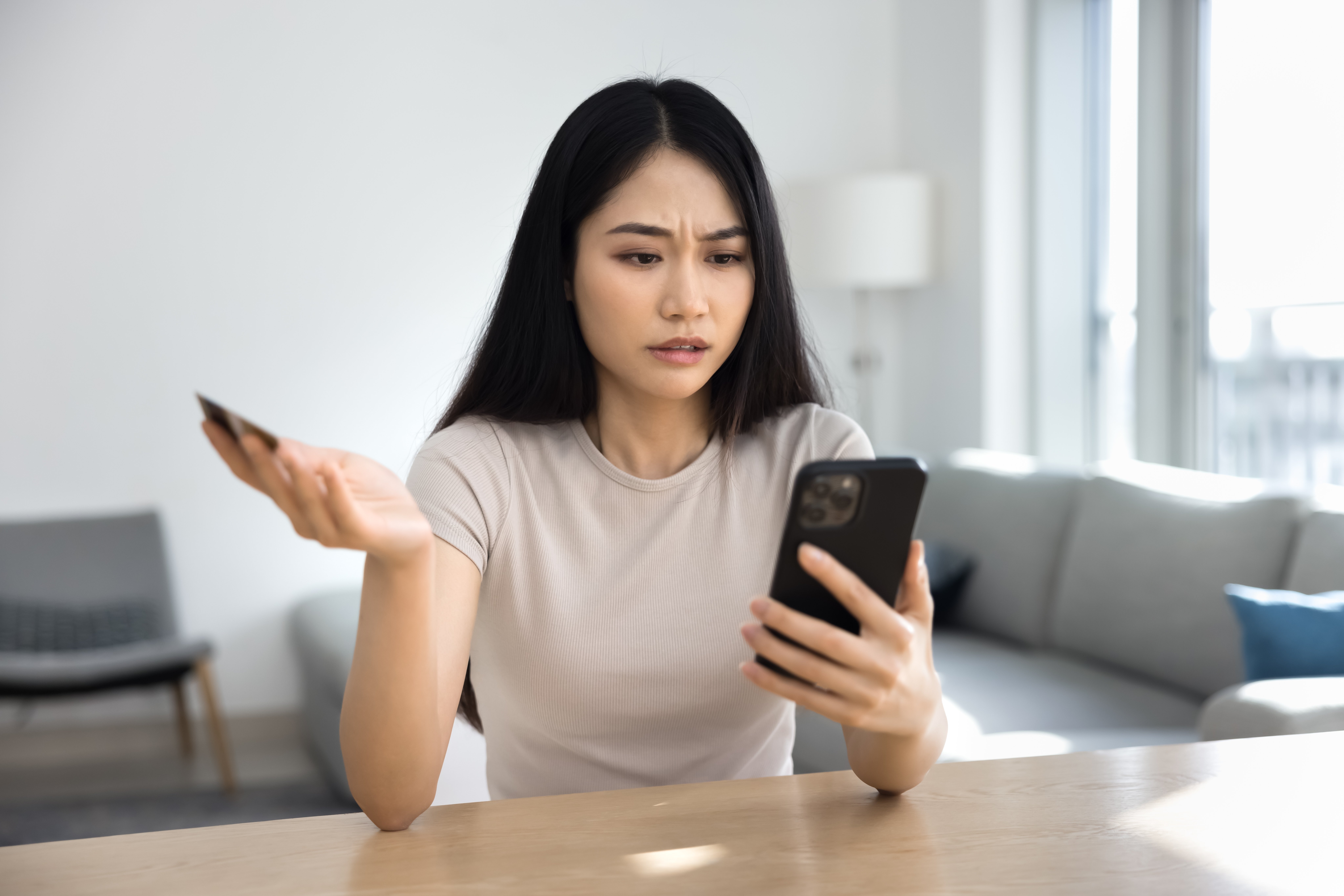
However, these methods of communication have also opened the door to new risks. Over the years, people have been tricked by convincing-looking messages sent by scammers pretending to be legitimate financial institutions. These messages may ask for personal information, prompt urgent action, or include links that lead to fraudulent websites. When unsuspecting individuals respond, they may face consequences that could expose them to long-term financial and reputational harm.
Thankfully, there are several things you can do to protect yourself when you’re unsure about a message claiming to be from your bank. Knowing how to respond can help you avoid unnecessary risk, allowing you to continue banking and making secure online credit card transactions with peace of mind. That said, here are some practical steps you can take to avoid falling victim to messaging scams.
Don’t Respond or Click any Suspicious Links
The first thing you should do when you receive messages that seem suspicious is not to engage. Avoid replying, clicking on any links, or downloading any attachments, as interacting with these types of messages can expose you to phishing sites or malware designed to steal your data. Reputable banks like Maya Bank will never ask you to share personal or account information through unsecured channels such as SMS or email. They also won’t send you links demanding immediate action without prior context. Thus, it’s best to leave the messages untouched and verify their legitimacy through your bank’s official channels.
Block the Number or Email Used by the Scammer
Once you’ve identified a message as suspicious or fraudulent, take immediate steps to block the source. Whether it came through SMS, email, or a messaging app, most platforms have built-in features that allow you to block senders and report them as spam. Blocking prevents the scammer from reaching you again using the same contact information and also helps reduce the chances of falling for a similar message in the future. While scammers often rotate numbers and addresses, cutting off known sources is still a valuable first line of defense. It also limits the psychological pressure that repeated scam messages can create over time.
Report the Incident to Your Bank
When people encounter suspicious messages, they typically shrug them off without a second thought. As long as they didn’t respond or click anything, no harm was done, so they have little reason to pursue the matter further. Still, it’s in your best interest to notify your bank as soon as possible. Sharing the details of the incident helps the bank investigate and take appropriate action. It also allows them to alert other customers to emerging scams and strengthen their security measures.
Most banks have dedicated hotlines, official email addresses, or in-app reporting features where customers can report potential fraud. Maya Bank customers, for instance, can reach customer support by calling our hotline: (+632) 8845-7788. Our hotline is available daily from 8 AM to 7 PM. If you need to report an incident outside these hours, simply visit the Help Center on the Maya app to submit your concern anytime.
Apart from your bank, you can also report to the appropriate local authorities, such as the National Bureau of Investigation (NBI) and the Philippine National Police (PNP). This way, your report contributes to broader efforts to track down cybercriminals and prevent others from falling victim to the scam.
Secure Your Bank Account and Credit Card
If you’ve responded to a suspicious message or accidentally shared sensitive information, you need to secure your financial accounts quickly. Taking swift action helps reduce the risk of financial loss and ensures that your accounts remain secure.
Start by changing your online banking and email passwords, especially if you use the same credentials across multiple platforms. Creating new passwords that are stronger and more unique than your previous ones makes it significantly harder for unauthorized individuals to gain access to your accounts. To change your Maya account password, go to your profile after logging in, tap Settings, and then tap Change Password under Privacy & Security.
If you’re a Maya credit card holder, it’s advisable to block or freeze your card temporarily or request a replacement card to prevent further misuse. Here’s how you can do that:
- Go to Cards and select your credit card
- Tap the snowflake icon
- Tap Freeze Card
From there, you can cancel your card and buy a replacement. Simply follow these steps:
- Go to Cards and select your credit card
- Tap the gear icon to open your card settings
- Select Card Security, then continue with your password
- Select Permanently Block Card, choose I lost my card, then click Confirm
- Once your card is canceled, tap Order a New Card to buy a replacement (subject to card replacement fee)
Do keep in mind that delivery may take several working days.
Familiarize Yourself with the Signs of a Scam
Scams work best when people aren’t prepared for them, and even if you’re using the most secure credit card,g being aware of them is one of the most effective ways to protect yourself. Understanding how these scams work makes you far less likely to become a victim of digital threats such as phishing, identity theft, and fraud.
Typical red flags to watch out for include unfamiliar links, generic greetings, grammatical errors, or requests for sensitive information. The use of alarming language is also a common indicator, as it’s designed to pressure you into responding quickly without thinking. When you know how scammers operate, you can stay calm and act accordingly should a suspicious message come your way.
Uncertainty about a message claiming to be from your bank should never be ignored. In today’s digital environment, it’s entirely appropriate to question the legitimacy of unsolicited communications, as they could be a part of phishing schemes or other forms of online fraud. As such, if something doesn’t feel right with the message you’ve received, taking the necessary steps to confirm its authenticity can help you protect your financial security.
You might also like
These Stories on Maya Bank


It’s everything and a bank. What more could you need?
For existing PayMaya users, update your app to Maya