Shopping online has almost become second nature for many Filipinos, with digital-forward consumers buying something online at least once a month. Online businesses know Filipinos’ appetite for deals all too well, with a seemingly endless parade of major promo seasons popping up on social media and e-commerce sites, every couple of weeks, if not more frequently.
Unfortunately, promos are not always what they’re cut out to be. Lots of discounts come with hidden conditions, while others may be outright scams. With Philippine e-commerce growing bigger and faster, there are plenty of unscrupulous parties eager to get in on the action. This is why spotting genuine deals from scams and deceptive yet legal offers is more important than ever. Here’s what you can do to stay safe.
1. Always Check the Source
A discount that comes from a brand’s official website or app is usually safe. Promos shared only through strange-looking links, text messages, or unfamiliar Facebook pages should receive extra scrutiny. Make sure any claims involving other parties, like credit card promo offers, are mentioned on the official websites and verified social channels of both the card issuer and the partner merchant.
If the store seems legit, use a credit card to pay, if you have one. Credit card purchases are more easily reversed compared to debit card purchases or bank transfers, especially if there’s reason to believe fraud has taken place.
2. Focus On the Fine Print, Not the Headlines
Knowing the mechanics ensures you understand the real value of a deal before signing up. For instance, cashback is becoming quite popular, not just with credit cards, but across today’s online promos. What looks like “5% cashback” might only apply after you give up valuable personal data or pay a facilitation fee. Make sure the big claims offered by the business are fully covered in the fine print.
3. Beware of “Too Good to Be True” Offers
If a promo promises something expensive like a free iPhone just for filling out a short survey, chances are it’s a scam. Even at their most generous, real promotions generally offer realistic rewards like points, cashback, or vouchers. If the promo is a magnitude above and beyond what the competition does, closer scrutiny is definitely warranted.
4. Look For Realistic Redemption Methods
Some promos, while real, might require you to pay hidden fees or go through an overly complicated redemption process that’s specifically designed to tire you out while still remaining technically legal. In many instances, the time and mental energy you must spend to get your rightful reward simply isn’t worth it.
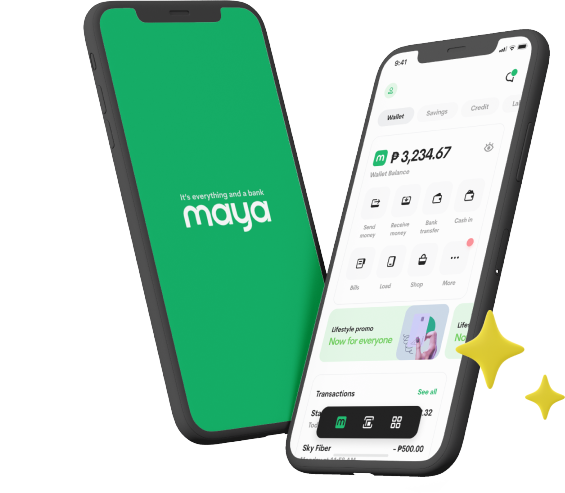
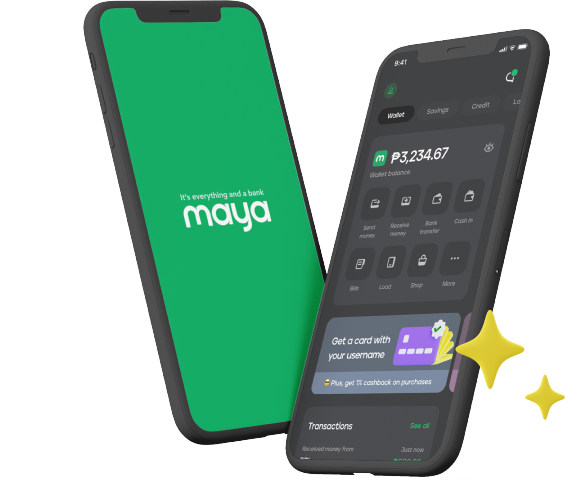
Thankfully, with the Landers Cashback Everywhere Credit Card, redemption of rewards is easy. Each point is equivalent to PHP 1, and you can use your accumulated points directly at Landers as cash discounts. Just prepare your phone and Maya app at checkout and tell the cashier you want to use your points. It’s really that easy.
5. Only Deal with Registered and Licensed Businesses
The massive demand for online shopping deals means that it’s incredibly easy for unregistered businesses to escape scrutiny. If you’re interested in a deal, make sure to look for Department of Trade and Industry, Securities and Exchange Commission (SEC), or other relevant registration details, especially for businesses that claim to be local. For international sellers, check whether they are recognized by legitimate platforms or marketplaces that have clear buyer protection policies.
For instance, Maya Bank and its credit cards are regulated by the Bangko Sentral ng Pilipinas (BSP), giving you full assurance and protection under Philippine law when you use Maya services or take advantage of Maya credit card promos, such as those that may be offered through the Landers Everywhere Cashback Credit Card. Similarly, reputable merchants and service providers will highlight their certifications upfront. If those details are missing or hard to verify, proceed with caution.
6. Check Reviews and Community Feedback
Online forums and consumer watchdog sites can be useful for gauging whether a promo is genuine. Just be careful to take things in context. Isolated negative experiences don’t really mean much, but clear patterns do. If you see multiple reports of failed redemptions or unresponsive customer service, steer clear.
7. Trust Your Instincts
Your gut feeling matters. If something feels rushed or shady, it’s best to just walk away. Businesses that pressure you to act without giving you time to read the details do not have your best interest in mind.
Shop Smart, Score Big, and Stay Secure with Maya Credit Cards
At the end of the day, the only products and promos that could be considered real bargains are the ones that actually bring real value to your life. Keeping your eye on the big picture should help you shop online and avoid the bad actors trying to lead you astray.
The next time a flashy deal comes your way, come back to these tips. If a deal looks good, don’t forget to use trusted payment tools like the Landers Cashback Everywhere Credit Card from Maya. This card is especially useful for online purchases, giving you at least 1% cashback on all qualified purchases, as well as 2% on dining and 3% when shopping at Landers. Your Landers cashback can even be boosted to 5% once you’ve spent PHP 50,000 across your credit card purchases in a month.
Indeed, with cashback on everyday purchases, cutting-edge security, and seamless access to the Maya ecosystem, you can pay with confidence, knowing your savings are real and your money is safe.
Apply now at your nearest Landers location or on the Landers website to start scoring real deals and cashback on everything you buy.
*Transactions that don’t qualify include: cash in, cash advance, quasi cash purchases, casinos and gambling, fuel, supermarket, pharmaceuticals, utilities, telco, and government.