As parents, it’s only natural to want the best for your children. Providing your kids with nutritious meals, quality clothing, amazing experiences, and the occasional treat ensures that they grow up healthy, happy, and well-prepared for the future. However, with the prices of everyday essentials and other family expenses on the rise, it can be challenging to give your kids everything they need while staying within your monthly budget.
Fortunately, there are several practical strategies to help you find the balance between providing the best for your kids and keeping your household’s finances intact. Here are some effective tips to get you started.
Differentiate Your Kids’ Needs and Wants
Understanding the difference between needs and wants is a crucial first step in managing spending on your children. Clearly identifying what your kids truly require versus what’s merely desirable allows you to prioritize important purchases and prevent you from spending on things that aren’t necessary.
Needs are the essentials that support your children’s growth and well-being. Things like nutritious meals, school supplies, clothing, and educational resources naturally fall under this category. Wants, on the other hand, are typically non-essential items that provide enjoyment or entertainment. These include items such as toys, gadgets, and trendy accessories.
Set a Clear Monthly Budget for Your Kids’ Expenses
Once you’ve distinguished between your children’s needs and wants, it’s important to define a monthly budget for their expenses. Assigning a specific amount for essentials and discretionary spending helps you monitor and control costs while preventing impulse purchases. Moreover, having a clear budget lets you plan ahead for big upcoming expenses, like school fees or medical checkups, ensuring that you’re financially prepared.
To manage your finances effectively, tracking your spending is essential. This ensures that you can keep a close eye on where your money goes and avoid overspending in any category. You can use a simple spreadsheet, a budgeting app, or even a notebook to record purchases. With a structured budget, you can identify areas to cut back on and allocate funds to priority items, and also to make sure that your children’s needs are constantly covered.
Leverage the Perks of a Cashback Credit Card
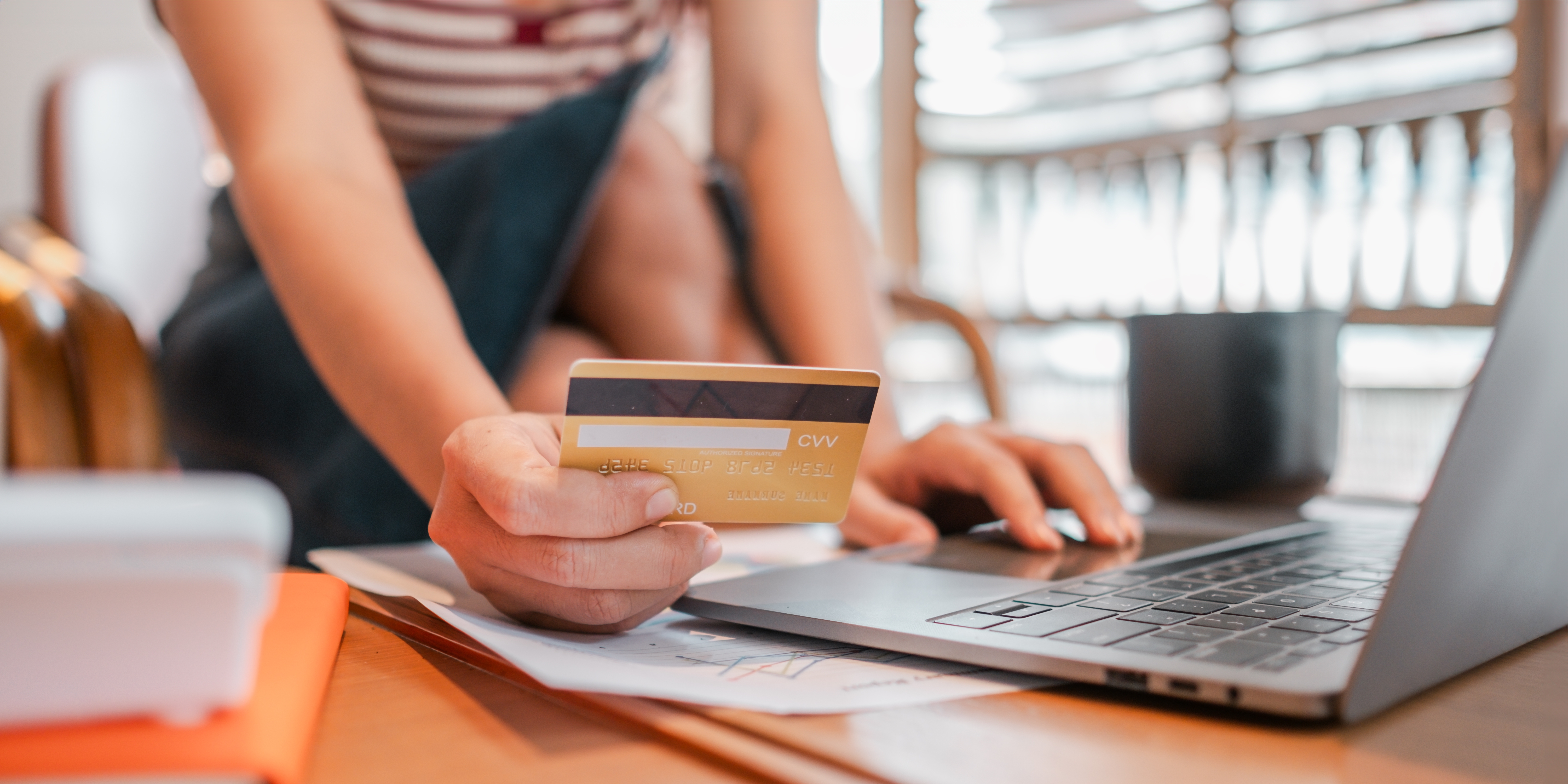
Using a cashback credit card can be an effective way to stretch your spending power when buying items for your children. This type of card lets you earn credit card points on purchases in specific categories, and when you accumulate enough points, you can use them to cover the cost of future household expenses. Take the Landers Cashback Everywhere Credit Card, for instance. This Maya credit card gives you up to 5% cashback at Landers, 2% on dining spends, and 1% on all other qualified transactions.* Each point is equivalent to PHP 1, and you can use your accumulated points as a discount on your next purchase at Landers. To redeem your points at checkout, just follow these simple steps:
- Inform the cashier that you'd like to use your points for payment.
- Tap your card on the terminal when prompted. The cashier will guide you through the process.
- Select the number of points you want to use.
- Settle the remaining balance with your card, if any. After confirming your points, any unpaid amount will be charged to your card.
With generous cashback rates and a straightforward redemption process, it’s easy to see why the Landers Cashback Everywhere Credit Card is the best cashback rewards card for Landers members.
Plan Purchases around Sales and Seasonal Discounts
Timing your purchases to coincide with sales and seasonal promotions can help you maximize your budget. Back-to-school periods, holiday sales, and clearance events often offer significant discounts on items that your children frequently need, like clothing, shoes, and school supplies. To make the most of these opportunities, it’s best to plan ahead. For instance, you can create a shopping list of necessary items and monitor prices in advance so that you’ll know when a sale offers the best deal. This way, you can save money without rushing into last-minute purchases at full price.
Shop Secondhand
Another practical way to save money on your kids’ expenses is to buy secondhand. Many items your children use frequently, such as clothing, shoes, toys, books, and even furniture, can often be found in excellent condition at thrift stores, online marketplaces, or through friends and family.
When shopping secondhand, however, it’s important to inspect items carefully to ensure they’re safe and durable. Look for signs of wear, cleanliness, and proper functioning, especially for clothes, toys, and furniture. Furthermore, make sure to shop at reputable stores or online platforms to reduce the risk of purchasing damaged or unsafe items.
Providing the best for your children doesn’t mean you have to overspend on their needs and strain your household budget. It often requires following simple yet practical strategies that make your spending more intentional and efficient. That said, approaching your family’s finances with these tips in mind ensures your children grow up well-supported, while your household budget remains healthy and manageable.
*Transactions that don’t qualify include: cash in, cash advance, quasi cash purchases, casinos and gambling, fuel, supermarket, pharmaceuticals, utilities, telco, and government.