Credit cards can be useful financial tools, especially for bridging short-term budget gaps or earning rewards. However, when debt starts to accumulate, it can feel like there’s no room left for anything else, especially savings. Many people carrying credit card debt feel that saving money is completely out of reach. With outstanding balances and interest piling up, it’s easy to assume that saving must wait until the debt is fully paid off.
If you’re in the same situation, don’t lose hope. Saving money while paying off credit card debt is possible. It all comes down to finding the right balance, being intentional with your spending, and making the most of the resources available to you. With some planning and consistency, you can gradually chip away at your debt while still building your savings along the way. Ready to take control of both goals at once? Here are some practical tips to help you get started.
1. Always Pay Bills on Time
Paying your credit card bills on time is crucial because it helps you avoid late fees that can quickly eat into your budget. Even missing just one payment can disrupt your financial plans and reduce the money you could have set aside for savings. By staying on top of due dates, you gain better control over your cash flow and prevent unnecessary charges that make it harder to move forward financially.
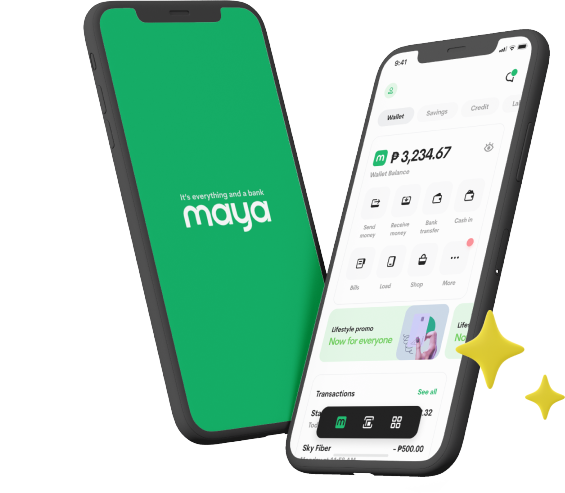
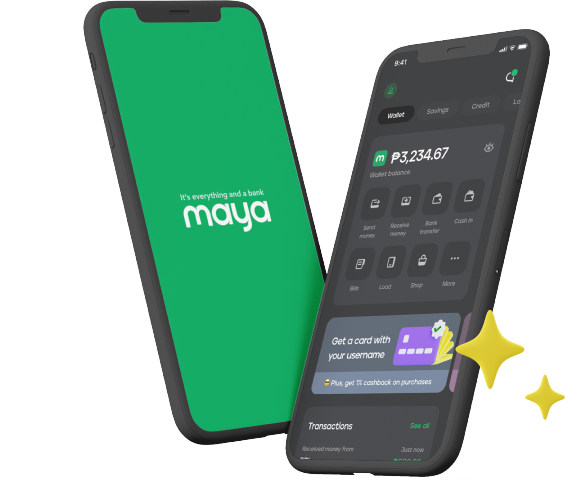
If you're a Landers Cashback Everywhere Credit Card holder, paying your credit card bills is easy and hassle-free. Being a financial product from Maya, the #1 digital bank in the Philippines, you can simply use your Maya Wallet funds to settle your credit card balance, even before the due date. Plus, with reliable and instant Maya credit card payment posting updates that you can easily check via the app, you won’t have to worry about whether your payment went through. By using the Maya app to track your balance and make payments, you stay in control of your finances and reduce the risk of missing due dates. This, in turn, helps you stay on course with both your debt payments and savings goals.
2. Follow a Prioritized Budget
A good budget plan gives every peso a purpose. Start by listing your income and all monthly expenses, then determine which ones should take priority, such as essentials, credit card payments, and a portion for savings. It's especially important to treat your savings like a fixed expense so it doesn’t get pushed aside. Even if you can save only a few hundred pesos each month, what matters most is building the habit.
The best way to stick to your budget is by staying aware of your expenses. If you’re already using your credit card for day-to-day spending, monitoring your transactions becomes even more convenient. For example, with the Landers Cashback Everywhere Credit Card, you can easily check your transaction history on the Maya app. You can even access older credit card statements through the app, helping you better understand your spending patterns and identify areas where you can cut back. Additionally, you can set spending limits or toggle off certain transaction types, such as online payments, to better align with your budget. With careful planning, you’ll be able to save while still keeping up with your debt payments.
3. Maximize Credit Card Rewards to Save More
If used wisely, your credit card can actually help you save money through exclusive rewards and cashback. The key is to take advantage of those perks on purchases you already plan to make, like groceries or shopping for essentials online. With the Landers Cashback Everywhere Credit Card, you get up to 5% cashback at Landers, 2% on dining spends, and 1% on all other qualified transactions.* This means you can earn money back simply by using your card on everyday spending that counts.
To get the most out of these rewards, use your card only for planned and necessary purchases, and make sure to pay off your balance on time to avoid interest charges. As long as you stay disciplined and don’t spend just to chase rewards, you’ll enjoy extra savings without setting back your debt payments. It’s a practical way to stretch your budget while continuing to make progress toward your financial goals.
4. Use Windfalls Wisely
When you receive unexpected money, such as a mid-year or Christmas bonus or a tax refund, resist the urge to spend it all right away. Financial windfalls are a great chance to make significant progress on both your savings and debt. A simple approach is to split the amount, such as allocating 50% for debt repayment, 30% for savings, and 20% for a small treat.
When you use your windfall to pay down part of your credit card debt, you reduce the amount you owe and free up more money in your budget. This makes it easier to set aside savings while continuing to manage your debt responsibly.
5. Build a Safety Net for Life’s Surprises
While it can be tempting to focus only on your debt, setting aside a small emergency fund is just as important. A financial safety net can protect you from unexpected expenses like medical bills, home repairs, or a sudden loss of income. Without it, you might end up relying on your credit card again during emergencies, undoing the progress you’ve made and making it harder to move forward.
You don’t need to build your emergency fund all at once. Start small and make it a regular part of your budget, even as you continue paying off your debt. Saving gradually allows you to prepare for life’s surprises without losing momentum. Knowing that you have even a modest amount set aside can help you feel more secure and stay focused on your financial goals, including becoming debt-free.
Paying off credit card debt and saving money don’t have to be two separate goals. Instead, you can find a middle ground that allows you to reduce what you owe while still setting something aside for your future. It may take some planning and discipline, but every small step you take adds up over time. With smart choices and the right tools, you can work toward being debt-free while also building financial stability.
*Transactions that don’t qualify include: cash in, cash advance, quasi cash purchases, casinos and gambling, fuel, supermarket, pharmaceuticals, utilities, telco, and government.