Ever hesitated before tapping a link that seemed a little too official? Or double-checked a payment notification that didn’t feel right? You're not alone. Cybercriminals are getting better at mimicking the platforms you trust, using increasingly sophisticated tactics to lure you into handing over your hard-earned money, sometimes without you even realizing it. In 2024 alone, nearly PHP 200 million were lost to cyber scams in the Philippines, according to the Cybercrime Investigation and Coordinating Council (CICC).
At Maya, we believe financial confidence begins with control. That’s why, as the country’s leading digital bank, we’re focused on empowering you to take charge and build the habits that make your money harder to exploit. Beyond security systems, this commitment extends to equipping you with the insights to make informed decisions in risky moments.
This piece walks you through the psychology behind common scams and offers practical steps you can take to avoid falling victim.
The Psychology of Deception
Cybercrime is less about technical wizardry and more about psychological manipulation. At its core is social engineering, which is the art of exploiting human behavior to gain access to confidential information. Fraudsters tap into emotions like urgency, fear, and curiosity to bypass your better judgment. A message claiming your account will be locked, or a fake alert about a failed payment, can feel pressing enough to override caution.
What makes these ploys especially dangerous is their polish. Fraudulent messages now mimic the tone, layout, timing, and even the subtle branding of actual bank alerts. You might receive a text while commuting, half-focused, telling you to verify your details immediately. Or maybe a fake notification that mirrors your usual payment reminders. These scams work because they feel familiar.
If you’re a Maya user, you’re probably wondering: is Maya Safe from these kinds of deceptions? The answer is a confident yes because we’ve designed security to work with how real people think and behave. Features like two-factor authentication, as well as fingerprint scanning and face ID, make it harder for attackers to bypass your login. One-time PINs sent only to your registered device add another hurdle for impersonators. And with one-device access limits in place, your account stays anchored where you expect it to be.
Phishing and Impersonation Tactics
One of the most common ways cybercriminals steal your information is by pretending to be someone they’re not. Phishing messages, often sent by SMS or messaging apps, are crafted to look like they came from trusted sources: your bank, your wallet app, a delivery service, or a government agency. These scams typically include links to fake websites that prompt you to log in or share personal details, which are then captured by the attacker.
What makes phishing attempts especially deceptive is their attention to detail. From subject lines and sender names to link previews and branding, these messages are designed to pass as legitimate at a glance. Some even replicate official web addresses with subtle changes that are easy to miss, especially when you're distracted or using a small screen.
That’s why it’s completely reasonable to ask, “Is Maya legit and safe?” especially when scams reference our name. If that’s crossed your mind, rest assured: Maya’s security systems are designed to stop threats before they reach you. We’re PCI-DSS compliant, meaning your card details are protected by global security standards. Real-time transaction notifications help you catch anything suspicious right away, and our state-of-the-art fraud monitoring tools are always active in the background to keep your account secure.
The Security Benchmarks You Should Look For
Cybercriminals prey on weak points, particularly gaps in user understanding and system defenses. While staying alert is essential, it’s equally critical to rely on a platform built for defense at every step. When fraud hinges on imitation, the best safeguard is a system layered with verification, transparency, and oversight.
So, what Maya security measure supports this level of protection? It starts with institutional trust. As one of just six digital banks licensed by the Bangko Sentral ng Pilipinas (BSP), Maya meets strict regulatory standards that cover everything from fraud prevention to operational resilience.
Data privacy is another pillar. Maya is the first bank in the Philippines to earn both ISO 27001 and ISO 27701 certifications, which are global benchmarks for managing sensitive information and user privacy. These recognitions reflect real systems that help ensure your data remains protected.
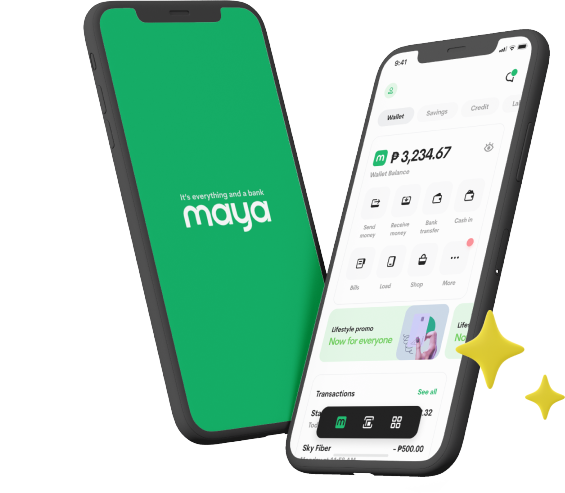
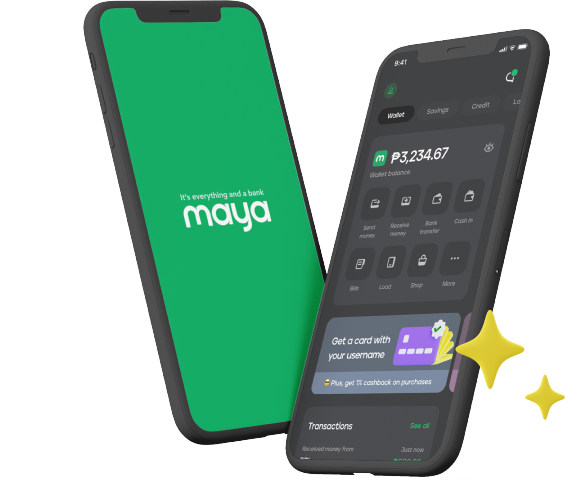
However, security should also be something you can see and control. Through the Maya app, you can set daily limits, lock or unlock your card instantly, and receive transaction alerts in real time. In the end, every Maya security measure is designed to shield your goals and support the trust you place in the platform.
Habits That Help Outsmart Fraudsters
Cybercriminals often rely on distraction and routine to slip past defenses. That’s why how you manage your account every day has a real impact. Consistent habits can offer just as much protection as advanced tools, provided they’re supported by reliable security features.
Maya security plays a meaningful role here, but its full value comes through when paired with personal diligence. Checking your transactions regularly helps spot unusual activity before it escalates. With Maya’s real-time alerts, it’s easier to build this habit and stick with it.
It also helps to keep your recovery information up to date. Whether you misplace your phone or notice a suspicious login, having reliable access can help you act fast. It’s also worth taking note of Maya’s customer support contact so you can quickly secure your account even if you lose access to the app.
Ultimately, security doesn't depend on knowing every technical detail. What matters most is outsmarting the tricks designed to catch you off guard by using your tools with intention and staying alert, especially when it feels routine.
Cybercrime tactics are evolving, but so are the tools and habits that help you fight back. At Maya, we’re committed to making security feel less overwhelming and more manageable by grounding every feature in user-first design. When you stay proactive and choose a platform built for safety, you stay protected and always a step ahead of evolving threats.