Regardless of your income bracket or lifestyle, we all deal with the same two types of expenses: fixed and variable. Understanding the difference between the two is essential for anyone building a budget. Fixed expenses are costs that stay roughly the same each month, such as rent, insurance, or car payments. On the other hand, variable expenses like groceries, entertainment, or fuel fluctuate based on usage or choices.
Treating these two types of expenses differently is key to effective budgeting and saving. Let’s dive into the practical differences of these two categories, discuss their roles in your monthly budget, and offer practical strategies for managing each, so you can build a budget that supports both stability and room to grow.
What are Fixed Expenses?
Fixed expenses are those recurring costs that stay nearly the same month to month. These include rent payments, insurance premiums, subscriptions, and car loans. Fixed costs form the foundation of your budget because they’re predictable and usually non-negotiable. And because they don’t change much, you can more easily commit a set portion of your income to them.
Although these expenses are stable, they’re not always set in stone. But in any case, some proactive effort is often enough to reduce them. For example, you might refinance a loan, switch insurance providers, or cancel a rarely used subscription.
Additionally, taking advantage of a bills payment promo can help you get rewards with each transaction, supporting your overall budgeting goals. Choosing to pay bills online to avoid delays and the hidden costs of physical payments also helps free up monthly cash flow without changing your lifestyle significantly.
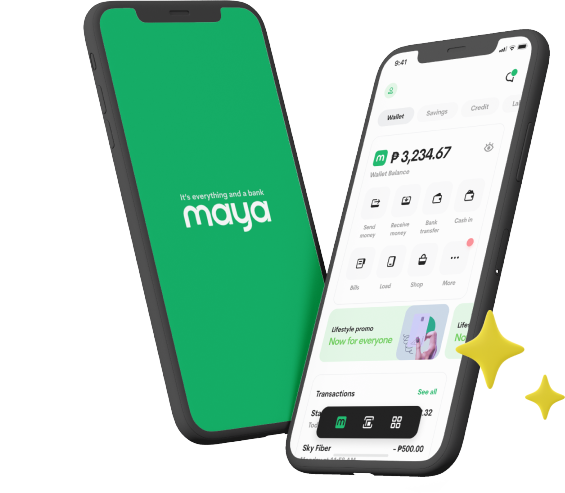
With the help of a digital wallet like Maya, you can make bill payments even more convenient. Maya allows you to settle utility payments, insurance and investment premiums, government contributions, and many other recurring expenses all in one app, saving you time and allowing you to forgo the need to go to bayad centers and biller offices. You can also save up to 20 of your favorite billers at a time so you don't have to keep searching for them on the app every time you need to pay.
What are Variable Expenses?
While fixed expenses change very little, variable expenses shift from month to month depending on factors you can control or life events. Items like groceries, entertainment, and personal care fall into this category. These costs require some budget flexibility because of their high uncertainty.
While variable costs aren’t definite, you can often see patterns when you track them over a few months. For example, you might have higher food delivery expenses during high-stress months when you can’t muster the energy to cook at home.
Fortunately, with better awareness and resourcefulness, you can make intentional choices that help you control your spending. For example, knowing your typical work patterns can help with meal planning, limiting impulse-driven food deliveries.
Creating a Balanced Budget
For budgeting to be effective, you need to approach fixed and variable expenses differently. Start by plugging your income into a spreadsheet. Next, begin subtracting your fixed expenses. Once you get the remainder, split it between variable costs and savings (which you can also set as a fixed cost). You can also implement popular budgeting strategies like the 50/30/20 rule, where 50 percent goes to fixed necessities, 30 percent is for flexible variable items, and the remaining 20 percent is allocated for savings or debt repayment.
Whatever strategy you land on, don’t forget to explore what Maya can do for you. More than just a wallet, your Maya account can also do so much more. You can open a Maya Savings account to help you handle fixed and variable expenses while maximizing your interest earnings. You can boost the base interest rate of 3% p.a.* to up to 15% interest p.a.** just by using Maya for your everyday transactions, like buying load, paying bills, using the linked Maya Card, using Maya Easy Credit, paying via QR Ph, or paying with Maya online. And as a Bangko Sentral ng Pilipinas-supervised financial institution (BSFI), Maya gives you the safety of a bank while you enjoy the convenience of a wallet. Finally, with Maya’s robust security, you can rest assured your money will be kept safe as it grows.
Adjusting and Reviewing Your Budget
Dealing with fixed and variable costs doesn’t end with creating a budget. Changes due to expired contracts or lifestyle shifts can affect fixed expenses, while seasonal factors can influence variable expenses, so your budget must adapt accordingly. Schedule monthly or quarterly reviews to compare your plan against actual spending. Then, identify overspending with variable items and make adjustments where needed.
If variable costs consistently exceed your target, explore both spending cuts and fixed cost reductions. For instance, you could consider canceling unused subscriptions or switching to lower-cost services. Similarly, even small changes like lowering energy use or dining at home more can free up money for savings and financial goals. With periodic reviews and some resourcefulness, your budget turns into a living tool that adjusts as your life and income evolve.
Sensible Expense Tracking is Key to Sustainable Wealth Building
Understanding the concept behind fixed and variable expenses empowers you to create a budget that pays your bills, protects your savings, and leaves ample room for life’s endless possibilities. And with the support of a trusted ally like Maya, the #1 digital bank in the Philippines, you can foster awareness and build consistency in managing both types of expenses, turning budgeting from a chore into a tool for financial stability and peace of mind.
*Base interest rate applies to total deposit balance.
**Bonus interest applies to deposit balance of up to ₱100,000.