Digital financial services provide Filipinos with a reliable way to do everyday transactions, eliminating the hassle of waiting in long lines and visiting the physical branches of banks and service providers. While enjoying the efficiency and convenience of these tools, however, some people take security for granted. To some users, ensuring secure online credit card transactions, for example, might only come second to speedy checkouts. What they may not realize is that even the most secure credit card can be compromised if used without taking the right precautions.
With a growing number of Filipinos falling victim to cybercrimes like card skimming, phishing, online shopping scams, and others year after year, it’s more crucial than ever to be aware of common mistakes that can put you at risk of cybersecurity attacks.
The good news is that modern banking services and credit cards employ robust security measures and provide simple steps that make protecting yourself from these risks relatively hassle-free. Maya, for example, offers security features such as encryption and two-factor authentication, which are fully integrated into its infrastructure. Meanwhile, the Landers Cashback Everywhere Credit Card makes use of a dynamic CVV, which generates a new CVV code for every online transaction. Unlike the static three-number CVVs printed on the back of most credit cards, this dynamic code is valid for only 24 hours, making it much harder for attackers to keep reusing your card information. These superior features are designed to keep you safe from common cybersecurity threats. But they work best when paired with the right practices.
In this article, we’ll look into typical cybersecurity mistakes people make when making transactions online as well as some practical ways to avoid them.
Using Weak or Reused Passwords
Many people use the same password across multiple accounts or choose weak passwords based on birthdays or simple patterns. While this practice might seem like a convenient way to manage your accounts, it also makes it easier for attackers who gain one password to try it elsewhere. When your banking or credit card access shares credentials with other sites, a breach in one place can cascade into catastrophic damage.
Instead of using a single password, make sure to create strong, unique passwords for each financial account, ideally generated or managed by a reliable password manager. Furthermore, avoid using dictionary words or easily guessable patterns. Also, remember to change your passwords regularly, especially after a security incident, and never share them.
Failing to Monitor Transactions and Alerts
Tracking and early detection are crucial in minimizing cybersecurity risk. Regularly check your credit card or bank statements so unfamiliar or fraudulent charges don’t go unnoticed. Additionally, enable transaction notifications so you’re always on top of your account activity.
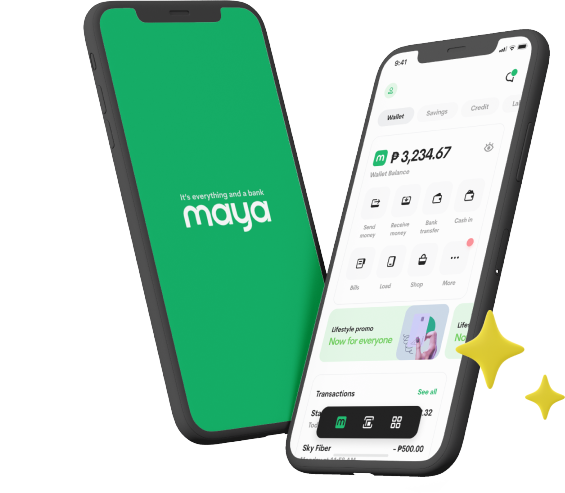
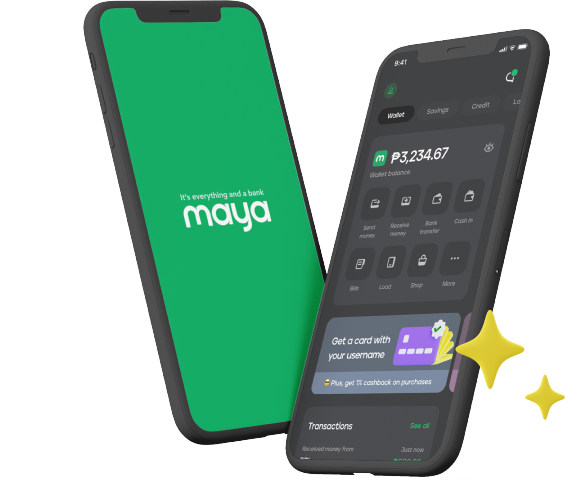
Maya, for one, takes significant steps to stay ahead of cybercriminals by prioritizing fraud prevention and detection. When suspicious transactions are detected, Maya sends users automatic alerts, enabling them to quickly take measures to prevent unauthorized users from accessing their accounts. Furthermore, Maya also enables users to immediately freeze their cards directly from the Maya app in case of a stolen or lost Maya credit card.
Ignoring Two-Factor Authentication
Skipping two-factor authentication is a common mistake that undercuts your account’s security. Without this additional verification, someone only needs to gain access to your password to be able to log in to your account.
There are different ways of going about two-factor authentication. Maya, for instance, sends an OTP (one-time password) to your Maya-registered mobile number whenever you log in to a new device or do other things on the app that need your confirmation. The OTP serves as additional, real-time proof of your identity before you can access your account.
Clicking on Suspicious Links
Phishing is among the most frequent causes of credential theft. This happens when attackers send emails or text messages pretending to be your bank or credit card company. These messages often include links that may lead to a fake website (spoofed URL) that looks virtually identical to the real one, tricking you into entering your login or card details.
To avoid falling for these attempts, always double-check sender addresses, hover over links to view the real URL, and never follow instructions in unsolicited messages to log in. When in doubt, navigate to your bank’s official site manually and log in from there.
Using Public Wi-Fi for Financial Transactions
Taking care to use only secure connections when accessing your financial accounts is another key step to protect against cybersecurity attacks. On many free Wi-Fi networks in places such as in cafés, airports, hotels, or malls, data may not be encrypted or protected. Attackers on the same network can intercept your communications or steal login credentials and other sensitive information.
Make it a point to only use your mobile data or a trusted private network when handling financial transactions. If you must use public Wi-Fi, consider connecting via a VPN (virtual private network) that encrypts all traffic between your device and a secure server.
Neglecting App and System Updates
Outdated apps or operating systems often have known security vulnerabilities that hackers exploit. Attackers may use these unpatched flaws to install malware in the devices you use for banking and e-commerce, or to exploit other weaknesses.
Always keep your operating system, banking apps, web browser, and security tools up to date. Additionally, enable automatic updates where possible. These updates often include patches for known threats and improvements to encryption methods that protect your personal data.
Modern financial tools bring ease and convenience to routine transactions, but it’s important to recognize that using them also comes with risks. Moreover, as cybersecurity threats continue to evolve, it’s wise to leverage the security features offered by your trusted digital bank or credit card issuer. Along with vigilance and practical judgment, these measures can help you effectively defend yourself from common online dangers.