Share


Cybercrime in the Philippines has been on a steep rise, due to the wider proliferation of AI tools and the increased attack surface provided by the country’s growing adoption of digital transactions. Even with banks investing heavily in advanced security systems, the current generation of digital scammers remains one step ahead of the careless and unprepared.
When financial apps become part of everyday life, it’s easy to let your guard down. Users routinely flout recommended cybersecurity practices by reusing passwords, ignoring minor alerts, or trusting messages from strangers without any further thought. Even users who take online threats seriously can sometimes slip up due to the increasing sophistication of fraudsters and the sheer volume of online interactions one must engage in these days.
Fortunately, no matter how clever or prolific they become, all scammers leave telltale signs that give away their racket. Let’s go through how you can spot these red flags and how Maya Bank helps you avoid them.
1. The Bank or App Isn’t Licensed by the Bangko Sentral ng Pilipinas
If you’ve been wondering, “Is Maya legit and safe?”—it is. Maya Bank is just one of the six Philippine digital banks licensed by the Bangko Sentral ng Pilipinas (BSP), making it a bona fide Bangko Sentral Ng Pilipinas-supervised financial institution (BSFI). If a digital platform or wallet isn’t regulated by the BSP, they have no reason to follow the Philippines’ financial and data-protection standards, leaving their users vulnerable to fraud.
As a BSFI, Maya enjoys regulatory oversight and complies with the country’s highest standards of transparency, cybersecurity, and consumer protection. Every Maya product or service, including Maya Savings, Maya Personal Goals, and Maya Time Deposit Plus, meets these standards to keep your finances and personal data secure.
2. You Can’t Verify Deposit Insurance Coverage
Any legitimate bank should make its deposit insurance coverage clear. If a service refuses to say whether or not your funds are protected, it’s a sign to stay away.
As a BSFI, Maya’s deposits are insured by the Philippine Deposit Insurance Corporation (PDIC) for up to PHP 1 million per depositor. This safeguard guarantees that your money remains protected even in the unlikely event of bank insolvency, something scammers can never believably promise.
3. There’s No Mention of Security Certifications or Standards
If a platform doesn’t mention any certifications that you can trace, its security practices may not be enough to keep your money safe. Maya holds ISO 27001 and ISO 27701 certifications, making it the first bank in the Philippines to achieve both for information security and privacy management. It’s also PCI-DSS compliant, adhering to global payment security standards. These credentials can be independently validated by any user to confirm that Maya follows rigorous data security processes.
4. The Platform Doesn’t Offer Biometric or OTP Verification
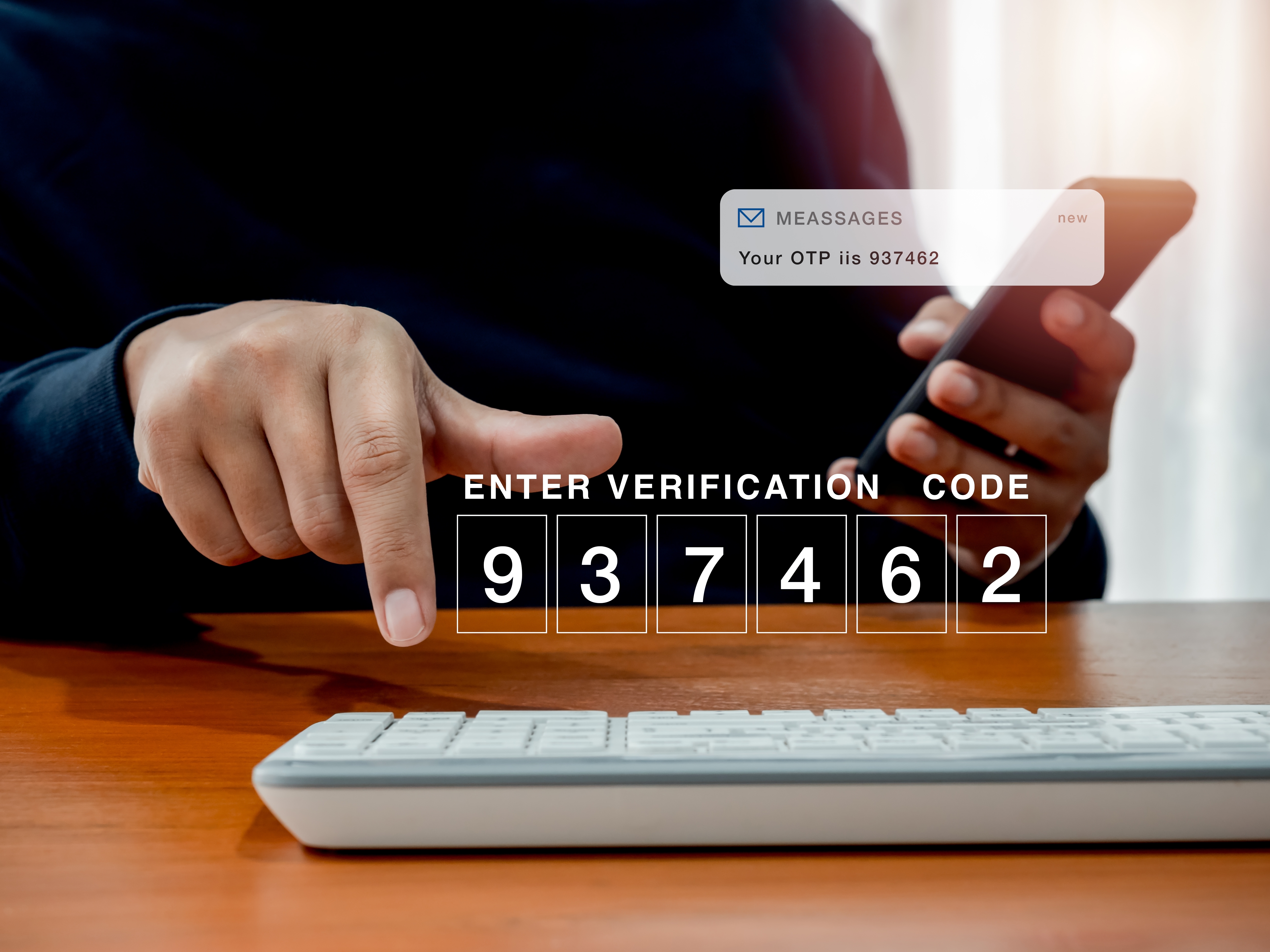
Single passwords are no longer enough to secure your account. If an app lets you log in or authorize payments without any form of multi-factor authentication, that’s a glaring security risk. Maya adds extra layers of protection with Face ID, fingerprint recognition, and one-time passwords (OTPs), effectively ensuring that only you can move money in or out of your account.
5. You Can’t See Transaction Updates in Real Time
Scammers often rely on the mistaken assumption that delays are inevitable to buy time and move your money before you notice. If a banking app doesn’t provide instant visibility, it’s probably best that you delete it. Maya lets you view all transactions in real time, so you’re immediately aware of every peso spent or received. This Maya security measure empowers you to act quickly when something doesn’t look right.
6. The App Lacks Spending Limits or Card Controls
A bank that requires personal appearances for everything, or an app that gives you no control over card limits or spending permissions, exposes you to unnecessary risk. Maya’s in-app controls allow you to set spending caps, freeze or unfreeze your card, and adjust permissions anytime over your phone. You stay in charge, even before you contact support.
7. It’s Hard to Reach Customer Support
Speaking of support, if the only “support” option is a generic email address or chatbot that spouts a constant stream of nonsense, that’s a red flag. Indeed, scammers depend on delays, obfuscation, and silence to confuse you and buy time to make off with your funds.
Maya offers 24/7 in-app customer support, allowing you to report suspicious activity, lock your account, or request card replacements instantly. You can also browse verified security articles and guides directly within the app for guidance on what to do next.
8. They Don’t Offer Proactive Security
Fraudsters sometimes test accounts with small unauthorized transactions to see if the user notices. If your bank doesn’t notify you immediately, or you can’t act quickly, that’s a serious vulnerability. Maya security includes AI-driven anti-fraud systems that run around the clock, flagging unusual behavior in real time and blocking potential threats before they escalate into actual losses.
9. You’re Asked to Share OTPs or Card Details
A common trick used by scammers is to pose as bank representatives, asking for OTPs “to verify your account.” Any platform that doesn’t consistently remind users about this scam fails in customer protection. Even as Maya continually reinforces scam-awareness messages across its ecosystem, you can count on it to never ask for passwords or OTPs.
10. You’re Pressured to Transfer Funds to an Account You Don’t Control
A classic finance scam involves fake “security teams” claiming your funds are at risk and urging you to move them to a “safe” account that you will have zero control over. With Maya’s regulatory oversight, AI-driven security, and PDIC insurance, there’s no need to transfer your balance elsewhere. If anything unusual occurs, you can also depend on Maya’s support team to guide you without compromising your account.
In a World Full of Scams, Choose a Bank That Stands Guard
If you were asking yourself earlier, “Is Maya safe?”, we hope we’ve shed some light on that question. So before you click, share, or sign in to any bank, pause and ask yourself: Does this bank check all the right boxes? If the answer is no, you’re best putting your money elsewhere.
When you entrust your savings to Maya, you’re not just getting convenience but a real financial partner that works relentlessly to keep your money secure. With fraudsters becoming more sophisticated and audacious, keeping your money safe is no longer just about practicing basic caution but about choosing a bank that meets the strictest standards of protection and transparency.
You might also like
These Stories on Maya

3 min read
Apr 29, 2026, 4:14:59 PM |

5 min read
Feb 3, 2026, 10:30:00 AM |
It’s everything and a bank. What more could you need?
For existing PayMaya users, update your app to Maya